
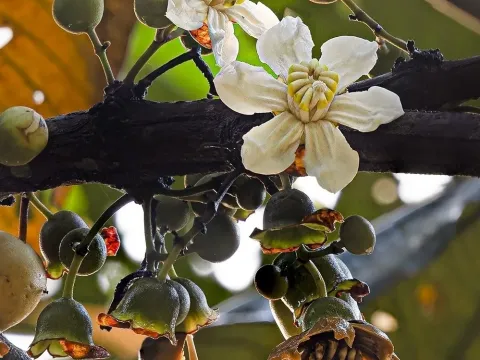
Bellucia
Bellucia
Propagation of Bellucia is primarily conducted via seeds within specialized nursery conditions, requiring a well-draining, lightweight, and nutrient-rich potting mix.
What the section contains


Bellucia
Seeds should be sown during the onset of the rainy season to benefit from the natural increase in humidity and optimal temperatures ranging between 25 and 28 degrees Celsius.
Germination is often slow and requires patience, necessitating the maintenance of consistent soil moisture levels without causing waterlogging of the seedbed.
Seedlings should be hardened off before being transplanted to their final location in the field to help them adjust to the fluctuations in environmental conditions.
Proper spacing is crucial to ensure that once the trees reach maturity, they have enough room for optimal canopy development and access to sunlight.
Bellucia thrives in tropical environments, necessitating high average temperatures and substantial rainfall throughout the year to support its active growth cycle.
The ideal soil for this species is deep, fertile, and slightly acidic, with excellent drainage characteristics to prevent root asphyxiation during heavy rain events.
The plant is highly sensitive to desiccating winds, which can lead to rapid moisture loss and leaf scorch, thus requiring sheltered locations or windbreaks.
High relative humidity is essential for the plant's metabolism, making it difficult to cultivate in arid regions without significant artificial humidity management.
While Bellucia requires high light intensity, young plants often benefit from partial shading to prevent direct sun exposure from damaging their delicate foliage.
The fruit of Bellucia is highly regarded in its native regions, featuring a juicy texture and a pleasant flavor profile often likened to that of guava.
Productivity is contingent upon effective pollination, primarily facilitated by native bee species that are adapted to the unique structure of Bellucia blossoms.
The harvest period can extend over several months, with mature trees capable of producing significant quantities of fruit under consistent management conditions.
Post-harvest utility of the fruit includes direct consumption and processing into jams, syrups, and traditional beverages popular in local tropical economies.
Due to the short shelf life of the ripe fruit, processing must occur rapidly to capture the flavor and nutritional value of the harvest effectively.
The primary threats to Bellucia plantations include common tropical pests like mealybugs and aphids, which target the tender new growth and developing buds.
Fungal diseases are a persistent challenge, particularly in high-humidity areas, often leading to leaf spotting, fruit rot, or serious systemic root infections.
Integrated pest management strategies are recommended, focusing on the use of biological controls to keep pest populations below the economic threshold.
Pruning plays a vital role in disease prevention by improving air circulation within the canopy, thereby reducing the environmental suitability for fungal spore germination.
Careful monitoring of soil health and drainage is necessary to minimize the risk of soil-borne pathogens that can devastate the tree's root system.
Harvesting Bellucia fruits requires a high level of care, as the delicate skin of the ripe fruit is highly susceptible to bruising and physical degradation.
Maturity is typically indicated by a change in skin color and the development of a strong, characteristic fragrance, signaling the fruit is ready for picking.
Harvesting should be timed for the early morning hours, as lower ambient temperatures help preserve the quality of the fruits before they are moved to collection centers.
The use of cushioned containers with adequate ventilation is critical to prevent the accumulation of heat and moisture that leads to rapid spoilage of the produce.
Grading of the harvest should be conducted immediately upon collection to separate high-quality fresh market fruit from those designated for secondary processing.