
Bellucia pentamera
Bellucia pentamera
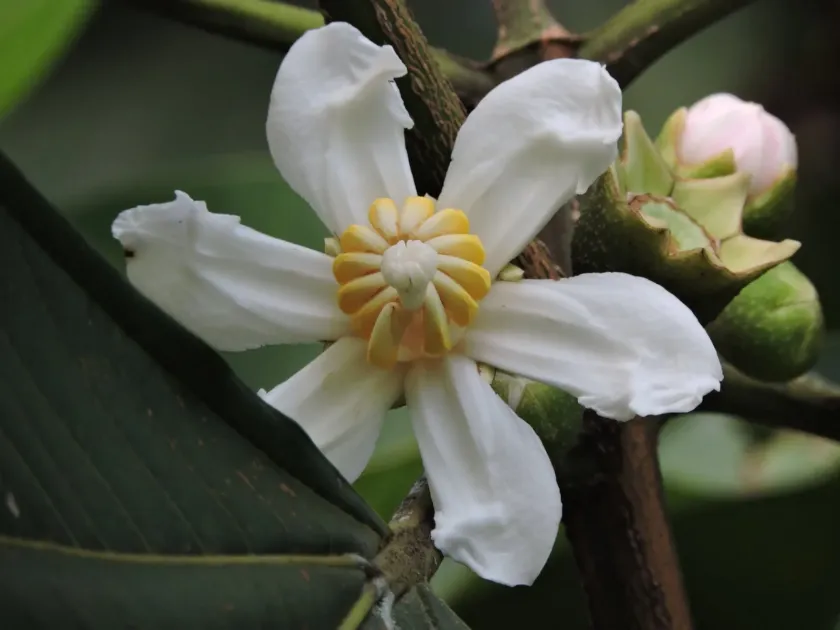
Description
Growing requirements
Bellucia pentamera is a member of the Melastomataceae family, known for its status as a robust evergreen tree or large shrub. Reaching up to 15 meters in height, it features a sprawling canopy and large, leathery leaves that define its ornamental and structural role in tropical ecosystems.
Native to the tropical regions of Central and South America, this plant thrives in environments characterized by high humidity and consistent warmth. It is predominantly found in humid forests, showing a high capacity for adapting to secondary growth areas.
The soil requirements for successful cultivation include high fertility, excellent drainage, and a rich organic base. The plant is notoriously intolerant of waterlogged soils, which can quickly lead to root decay and the decline of the specimen.
Climate adaptability is limited to tropical zones, as the plant possesses no frost tolerance and requires stable temperatures throughout the year. Cold spells or dry seasons can cause significant physiological stress, potentially halting fruit production.
Agrotechnical management focuses on providing adequate space for crown development and maintaining soil health. While young plants may benefit from partial shade, adult trees generally perform best with ample exposure to sunlight to support their metabolic processes.
Yield
The fruit of Bellucia pentamera consists of yellowish-green or brownish berries, valued for their pleasant aroma and nutritional content. They are widely harvested for local consumption and are often processed into jams, juices, and various confectionery products.
The flowering cycle of the tree is extended, often occurring throughout the year in optimal conditions. This provides a continuous supply of fruit, making it a reliable resource for small-scale cultivation and agroforestry systems.
Yield quality is highly dependent on the plant's health and the availability of water during the development phase of the berries. Proper management ensures that the fruit maintains its characteristic texture and flavor profile upon maturity.
Post-harvest logistics are a critical component of the yield process. Because the berries are delicate and prone to rapid softening, they must be handled with care and transported efficiently to market to ensure viability for sale.
While not a major commercial crop globally, its use in local economies continues to grow. Its ability to produce fruit regularly makes it a subject of interest for sustainable agricultural projects in its native range.
Main diseases and pests
Fungal pathogens represent the primary threat to Bellucia pentamera, especially in areas where airflow is restricted. High ambient humidity combined with lack of ventilation can facilitate the rapid spread of leaf spot diseases.
Pest pressures are primarily driven by insects that target succulent new growth and reproductive structures. Monitoring for aphids, mites, and leaf-chewing larvae is essential to prevent damage that can stunt the plant's overall growth.
Structural maintenance through pruning is an effective preventative measure against disease. By opening the canopy, growers can significantly improve aeration, thereby reducing the moisture buildup that pathogens require to colonize the tree.
Nutrient imbalances in the soil can also increase susceptibility to pests. A balanced fertilization program, focusing on organic amendments, helps strengthen the tree’s natural defenses and promotes healthy, resilient tissue growth.
When implementing pest control, environmental safety must be considered to maintain the integrity of the ecosystem. Integrated pest management strategies are generally preferred to ensure the health of both the tree and its surrounding environment.