
Bellucia grossularioides
Bellucia grossularioides
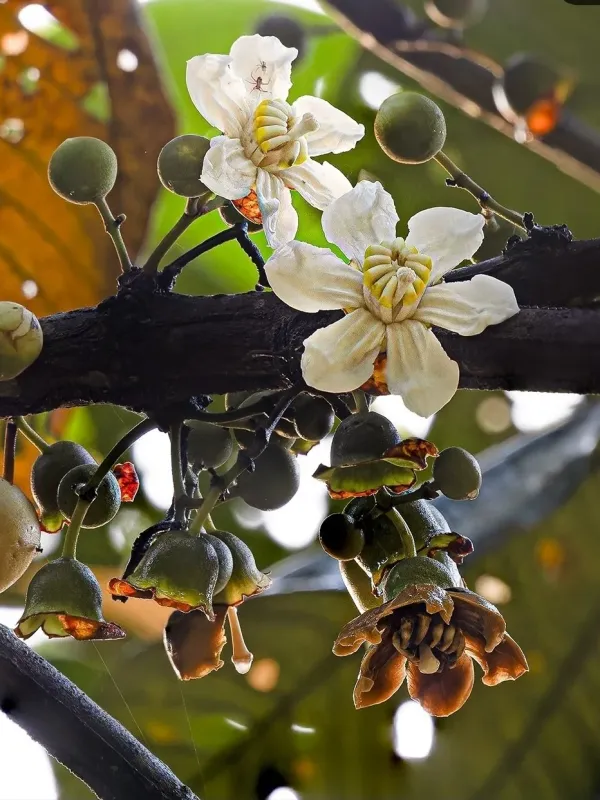
Description
Growing requirements
Bellucia grossularioides is an evergreen tree or large shrub that belongs to the Melastomataceae family. It is native to the tropical rainforests of Central and South America, thriving under the canopy of dense forest ecosystems.
The plant demands a consistent tropical climate with high humidity and year-round warm temperatures. It lacks any cold tolerance, making it unsuitable for cultivation in regions prone to frost or significant temperature fluctuations throughout the year.
Optimal growth is achieved in deep, well-drained soils rich in organic matter. While the plant can tolerate partial shade, it requires adequate light to stimulate flower and fruit production, which is essential for agricultural efficiency.
Maintaining soil moisture is critical; therefore, regular irrigation is necessary during dry spells. However, farmers must avoid waterlogging, as the roots are susceptible to decay if exposed to stagnant water for extended periods.
Economically, this species is recognized for its edible berries. Local populations utilize them for fresh consumption and processing into jams or juices, highlighting the plant's role in local food security in tropical territories.
Harvesting
Harvesting Bellucia grossularioides is a delicate process due to the thin skin and soft flesh of the mature fruits. The berries must be picked with care to prevent bruising, which would otherwise lead to rapid post-harvest rot.
Since the fruits ripen asynchronously, harvesting typically requires frequent monitoring of the orchard. Producers should focus on efficient handling and local processing to minimize losses before the product reaches the consumer.
Botanically, the fruit is a berry packed with numerous tiny seeds. The flavor profile is refreshing, often described as having a pleasant aroma that differentiates it from common domesticated temperate fruits.
Ongoing interest in tropical biodiversity has brought more attention to this plant as a niche crop. Research into its nutritional profile continues to support its promotion as a healthy and flavorful exotic addition to global diets.
The tree also holds ornamental value in its native range due to its large, leathery leaves and attractive blossoms. This versatility allows it to serve multiple functions in sustainable agroforestry systems within tropical latitudes.