
Aciotis
Aciotis
The genus Aciotis belongs to the diverse Melastomataceae family. These are mostly herbaceous plants or small subshrubs, naturally occurring in the tropical rainforests of Central and South America.
What the section contains


Aciotis
In their natural habitat, these plants prefer humid and shaded environments, typically growing along riverbanks, streams, or in marshy forest soils. They are highly dependent on consistently high air humidity levels and stable, warm thermal conditions throughout the year.
Successful cultivation of Aciotis requires loose, humus-rich substrates with an acidic to slightly acidic soil reaction. The medium must be kept consistently moist, as improper drainage or water stagnation around the root zone often leads to root rot pathogens.
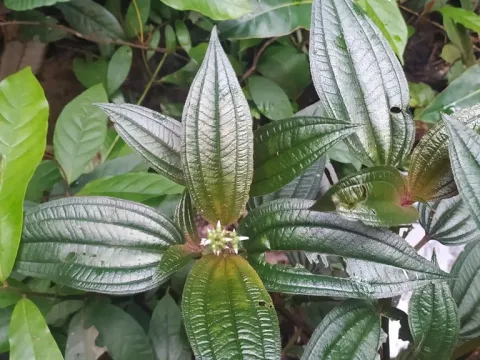
Botanically, the genus is characterized by opposite leaves, which often display the prominent, characteristic venation pattern typical of many members of the Melastomataceae family. The flowers are generally small, arranged in loose inflorescences, and possess a floral structure consistent with their taxonomic group.
The economic use of Aciotis is primarily limited to ornamental gardening within conservatories or specialized botanical collections. The plant has not been developed for large-scale agricultural production, as it lacks commercial value as a food crop or technical raw material.