
Behnia
Behnia
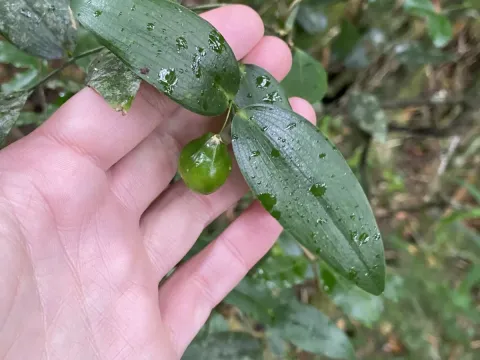
Behnia (Behnia reticulata) is a distinct perennial herbaceous plant belonging to the Asphodelaceae family. This monotypic genus originates from the moist, wooded regions of Southern and Eastern Africa, where it thrives in shaded and humid environments.
What the section contains

Behnia
Botanically, the plant is characterized by its vining growth habit and striking leathery leaves. The leaves are easily recognized by their prominent reticulate venation, which gives the plant its scientific name and unique aesthetic appeal in ornamental horticulture.
To cultivate Behnia successfully, it is essential to provide an environment with filtered light or partial shade. Direct exposure to intense sunlight should be avoided to prevent foliar damage and drying of the leaf edges, which are sensitive to high radiation.
The ideal soil substrate should be lightweight, well-aerated, and rich in organic matter. Proper drainage is absolutely necessary, as the plant roots are prone to oxygen deprivation and decay if left in waterlogged soil for extended periods.
In terms of хозяйственное использование, Behnia is primarily grown as an ornamental greenhouse or indoor plant. In regions with freezing winters, it must be grown in containers and brought indoors to protected environments to ensure its survival throughout the cold months.
The primary threats to Behnia health are pathogens that cause root rot, typically triggered by improper irrigation practices. Maintaining a consistent moisture level without allowing the plant to sit in stagnant water is the most effective cultural control method.
Pests such as spider mites and scale insects can occasionally infest the foliage, particularly in environments with low humidity. Regular inspection and localized cleaning of the leaf surfaces help maintain the plant in a healthy, vigorous condition throughout the growing season.