
Behnia reticulata
Behnia reticulata
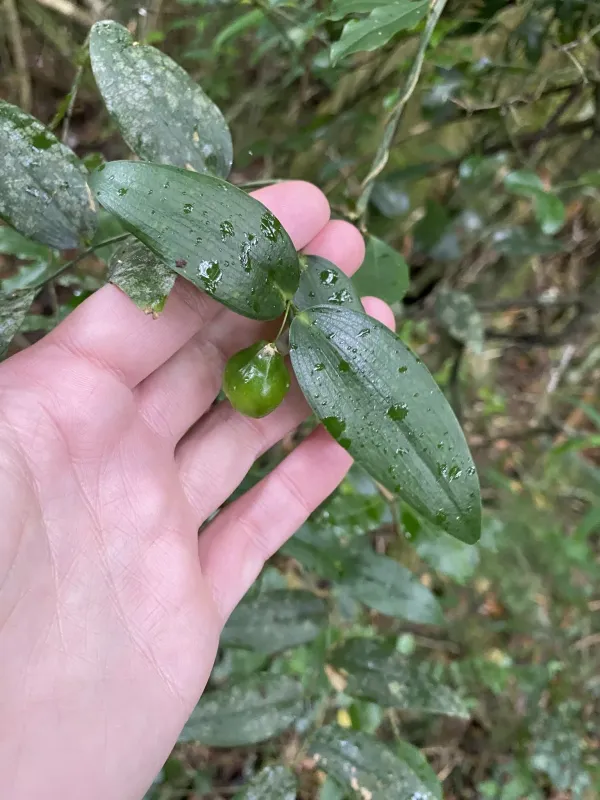
Description
Sowing dates
The propagation of Behnia reticulata is primarily conducted through the sowing of seeds in a controlled greenhouse environment or by dividing the rhizomes.
Spring is the most favorable season for sowing, providing the necessary light intensity and temperature stability for germination and early seedling growth.
Seeds should be sown in a sterile, well-draining potting medium, ensuring that they are kept moist but not waterlogged throughout the germination process.
When propagating via rhizome division, it is crucial to handle the root system with care to preserve viable buds that will generate future stems.
Providing a consistent warmth (20–25 degrees Celsius) significantly increases the speed of emergence and the overall vigor of the young plants.
Growing requirements
Behnia reticulata, a member of the Asparagaceae family, is a herbaceous perennial climber native to the tropical forests of Southern and Eastern Africa.
The species thrives in bright, filtered light and requires a habitat that mimics the forest floor or the lower canopy levels of its native environment.
The growing substrate must be rich in organic matter and possess an excellent drainage structure to prevent root suffocation and water retention issues.
Climate management is essential; the plant is sensitive to frost and extreme cold, requiring a stable, warm, and humid environment to flourish.
As a climbing vine, Behnia reticulata requires vertical support structures to allow it to spread and develop its characteristic reticulated foliage.
Yield
In terms of agricultural and horticultural use, Behnia reticulata is valued exclusively as an ornamental plant for indoor and greenhouse vertical displays.
The productivity of the plant is measured by its capacity to produce dense vegetative growth, creating lush cascades that enhance the aesthetic appeal of a space.
Proper nutrient management and the use of balanced mineral fertilizers ensure sustained growth and the development of healthy, patterned leaves.
Over time, well-maintained specimens can produce small, attractive berries that add further visual interest to the plant during its maturation phase.
Consistent care, including regular pruning, helps to control the plant's spread and maintains its compact yet productive ornamental form.
Main diseases and pests
The primary pest threats to Behnia reticulata include spider mites and mealybugs, which are particularly prevalent in low-humidity indoor environments.
Excessive irrigation and poorly ventilated growing conditions are the main factors leading to root rot and other systemic fungal diseases.
Fungal leaf spot can occur if water remains on the foliage for extended periods, necessitating the maintenance of adequate air circulation around the plants.
Integrated pest management strategies, including the use of systemic insecticides, are recommended to control infestations before they cause damage.
Regular monitoring of the plant foliage is essential to detect early symptoms of distress or infestation, allowing for prompt remedial action.