
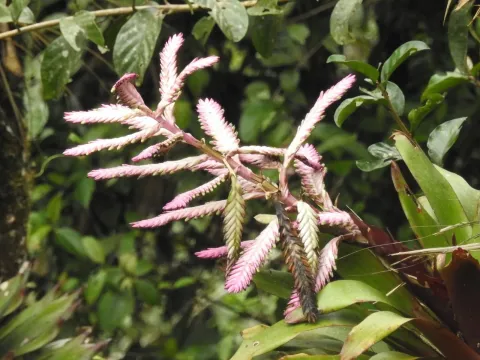
Barfussia
Barfussia
Barfussia is a genus of plants belonging to the Bromeliaceae family, known for its unique adaptation to epiphytic growth patterns. While primarily recognized for its botanical interest, it is frequently cultivated by enthusiasts and in specialized horticultural facilities for its aesthetic appeal.
What the section contains

Barfussia
The cultural requirements for Barfussia involve mimicking its natural tropical habitat. It thrives in high humidity environments, typically requiring levels between 70% and 80%, and warm temperatures ranging from 20 to 28 degrees Celsius throughout the vegetative stage.
Soil management for this genus is quite different from traditional field crops. It requires an extremely well-draining substrate, such as a mix of orchid bark, perlite, and sphagnum moss, which allows for sufficient gas exchange around the roots.
Light intensity plays a crucial role in the development of the plant. It prefers bright, filtered light. Exposure to direct midday sun can result in significant leaf damage and loss of color, therefore, light control is essential in greenhouse environments.
Watering techniques are specific: the central rosette should be kept partially filled with water, which is then absorbed by the plant. The water must be of high quality, ideally soft and at room temperature, to prevent the buildup of mineral salts on the foliage.
The most common threats to Barfussia are fungal pathogens, specifically those causing root rot and basal rot. These are primarily triggered by poor drainage and waterlogged conditions within the substrate, requiring strict adherence to irrigation schedules.
Insects like scale insects and mealybugs are the primary pests. They tend to congregate in the tight crevices of the leaf bases, making them difficult to detect until the plant shows signs of decline such as yellowing leaves or stunted growth.
Spider mites are a persistent problem in low-humidity environments. Regular inspection and the maintenance of adequate atmospheric moisture are the best preventative measures against these microscopic arachnids.
Excessive fertilizer application can cause toxic accumulation in the substrate, leading to leaf-tip burn and increased vulnerability to opportunistic diseases. Balanced, low-strength nutrients are recommended for optimal health.
Preventative care involves ensuring constant airflow around the foliage. Proper ventilation prevents the formation of standing water in areas where it shouldn't be, significantly reducing the pressure from mold and other aerial pathogens.