
Description
Symptoms
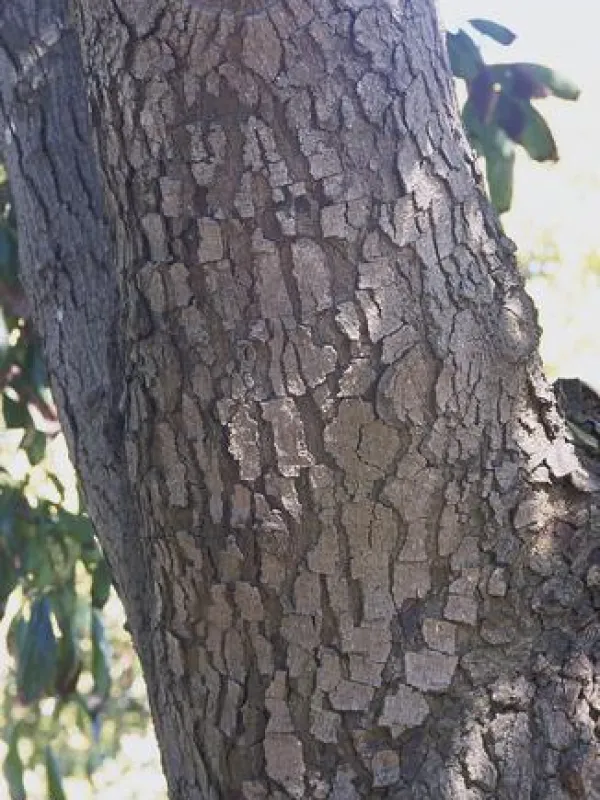
Symptoms of the disease can vary significantly depending on the avocado cultivar and environmental conditions. Young shoots often show longitudinal yellow, red, or white streaks, which may eventually develop into deep scars and cracks on the bark.
Leaves of infected trees often show signs of chlorosis, distortion, or reduced size, although the plant can sometimes be a latent carrier and show no visible deviations in development.
Infected fruits develop characteristic spotting: depressed zones of yellow or reddish color appear on the surface, often accompanied by bumps and general fruit deformation.
Internal fruit tissues in affected areas may turn brown, which significantly reduces the commercial value of the crop and makes it unsuitable for sale.
The general course of the disease involves stunted tree growth and premature aging of shoots, which gradually leads to reduced productivity of the entire orchard.
Pathogen
The causative agent of the disease is the Avocado sunblotch viroid (ASBVd), which is an extremely small infectious RNA molecule without a protein coat.
This pathogen is the smallest known plant pathogen, possessing high stability and the ability to systemically spread throughout the plant's vascular system.
The viroid does not have its own replication system and relies entirely on host cell enzymatic systems, using the avocado plant's resources for its multiplication.
Transmission occurs primarily through infected scions or rootstocks during grafting, making the selection of healthy planting material critically important.
The viroid can also be transmitted via pollen or during the pruning of infected trees if garden tools are not disinfected after each use.
Conditions for development
The spread of the pathogen is directly linked to human activity in the orchard, as the primary vector of transmission is the use of non-sterile tools for branch pruning.
Natural spread via pollen is possible, although it occurs less intensively than anthropogenic infection during mass agricultural manipulations with the crop.
The viroid can remain in a latent form for a long time when the tree looks healthy but still serves as a source of infection for all surrounding plants in the orchard.
High planting density contributes to the rapid spread of the viroid if at least one infected plant is present and in contact with others through the root system.
Stress conditions for the tree, such as drought or nutrient deficiency, can trigger the transition of the disease from a latent form to an acute one with full symptom expression.
Why it matters
The main damage lies in a sharp decrease in the commercial quality of fruits, which lose their appeal and become unsuitable for export and retail sale.
Infected trees show significant yield loss, causing direct economic harm to farms growing avocados on an industrial scale.
The gradual weakening of trees makes them more susceptible to secondary infections and pest attacks, which can eventually lead to the destruction of the plantation.
The lack of effective treatments for an infected tree means that complete removal and destruction of the affected specimens from the orchard is the only way to prevent epiphytotics.
The systemic nature of the infection means that the viroid penetrates all plant tissues, so attempts at local pruning of infected branches are usually ineffective.
Protection
The only reliable protection method is to use certified virus-free planting material obtained from reputable nurseries.
Strict hygiene during pruning is essential: all tools must undergo thorough disinfection with chlorine bleach solutions or other effective antiseptics after working with each tree.
Regular monitoring of orchard status allows for timely detection of infection signs, which requires the immediate removal of such trees, including their root systems.
- Constant disinfection of pruning shears and saws.
- Quarantine measures for importing scions from other regions.
- Laboratory control using PCR to identify latent forms.
Creating spatial isolation between new saplings and old orchards where the presence of the viroid cannot be ruled out helps reduce the risk of cross-contamination.
Pathogens and affected parts
Affects crops · 1
Discussion
No discussions yet — be the first.