
Astartea
Astartea
Astartea is a genus of evergreen shrubs belonging to the Myrtaceae family. Native to Australia, specifically the southwestern region, these plants have evolved to thrive in environments with specific nutrient profiles and well-defined moisture cycles, often found in heathlands and open woodland areas.
What the section contains

Astartea
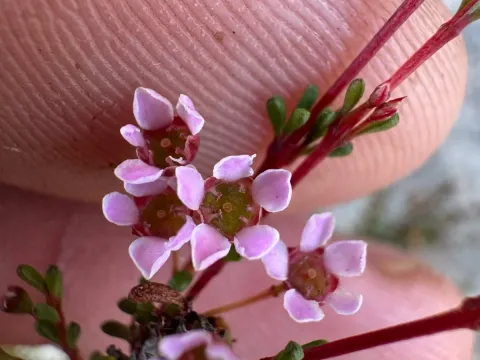
The plant is characterized by its fine, needle-like foliage and an abundance of small, star-shaped flowers that bloom in clusters along the stems. Depending on the species, the blooms range in color from pure white to various shades of pink and deep mauve, creating a stunning visual display during the peak flowering season.
Cultivation of Astartea requires excellent drainage as the root system is highly susceptible to fungal issues if exposed to waterlogged conditions. It is best suited for sandy, acidic, and low-phosphorus soils that mimic the natural Australian environment, ensuring the plant stays healthy throughout the year.
Sun exposure is a critical factor for success with Astartea, as it thrives in full sun. In indoor or conservatory settings, ensure the plant is placed in a spot that receives plenty of bright light to maintain its compact growth habit and promote prolific flowering during its cycle.
In terms of practical utility, Astartea is highly valued in horticulture for its ornamental appeal. It serves as an excellent choice for rock gardens, low-maintenance landscapes, and as a hedging plant that can be shaped through regular pruning, making it versatile for various design applications.
The most common disease impacting Astartea is root rot, which is almost always a result of poor soil drainage or overwatering. Maintaining a strict irrigation schedule is essential, especially in colder months when the evaporation rate is significantly lower and the roots need more oxygen.
Insects like mealybugs and spider mites can occasionally affect the foliage, particularly if the plant is stressed by heat or lack of airflow. Integrated pest management, including regular inspection and the use of insecticidal soaps, is the most effective approach to keeping these shrubs healthy and vibrant.