
Arnebia tinctoria
Arnebia tinctoria
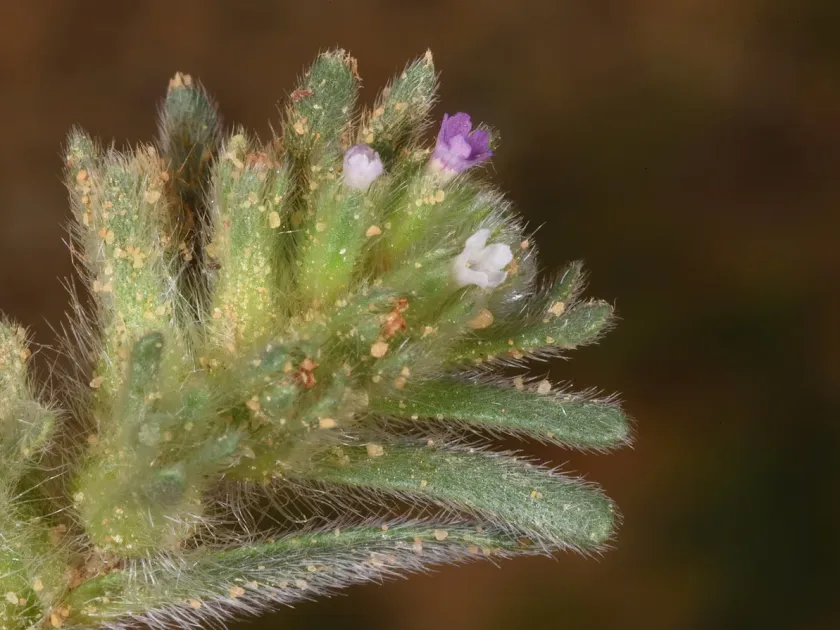
Description
Sowing dates
Arnebia tinctoria, belonging to the Boraginaceae family, is an important botanical crop. In temperate climates, sowing should be conducted in early spring as soon as soil temperatures reach 8–10 degrees Celsius.
For late autumn sowing, the seeds undergo natural stratification, which significantly improves germination rates in field conditions. Due to their small size, seeds should be sown at a shallow depth of 1–2 centimeters.
Ensuring firm contact between the seeds and the soil is vital for uniform moisture uptake. For commercial production, row spacing should be maintained at 45–60 centimeters to facilitate mechanical cultivation and weed control.
Seeding density depends on local soil fertility and irrigation availability. On average, a sufficient seed rate should be applied to establish 150,000–200,000 plants per hectare by harvest time.
Early-stage growth is slow, making weed management a priority. Pre-emergence harrowing is a recommended practice to keep fields clean and reduce competition during the crop's establishment phase.
Growing requirements
Arnebia tinctoria is a light-loving plant that requires open, sunny areas to maximize the accumulation of pigments in its roots. Excessive shading leads to poor quality and reduced crop yields.
The plant thrives in light, sandy, or loamy soils with excellent drainage. Waterlogging is detrimental to the plant and must be avoided to prevent root decay.
Arnebia exhibits high drought tolerance, making it a viable crop for arid regions. While it is hardy, regular irrigation during the early growth stage significantly improves leaf rosette development.
The soil pH should remain neutral to slightly alkaline. The crop responds well to mineral fertilization, especially potash, which strengthens plant tissues and enhances secondary metabolite production.
Stable ambient temperatures are essential for healthy metabolism. While the plant can withstand temperature fluctuations, the optimal range for steady growth is between 20–25 degrees Celsius.
Yield
The economic value of Arnebia tinctoria is primarily derived from its roots, which contain valuable pigments such as shikonins used in various industrial applications.
Yield depends on plant age and agronomic management; commercial harvest is typically expected in the second or third year. Average dried root yield ranges from 5 to 10 quintals per hectare.
Crop quality is directly determined by the concentration of active compounds, which is closely linked to appropriate cultivation techniques and timely harvesting.
While intensive cultivation methods may yield commercial produce by the second year, longer growth cycles often result in superior quality raw materials.
Post-harvest processing, particularly controlled drying, is critical to maintaining the chemical stability of the dyes and preventing microbial degradation of the plant material.
Main diseases and pests
The primary threats to this crop are fungal pathogens, which thrive in high humidity conditions. Root rot and leaf spot are the most frequent issues encountered by growers.
Pests like spider mites and aphids may attack the foliage during dry spells. Constant field monitoring allows for early detection and rapid management of pest outbreaks.
Weeds present a significant challenge for young Arnebia plants; therefore, maintaining clean fields throughout the growing season is essential for achieving good root development.
To minimize disease risk, growers should practice crop rotation and avoid placing Arnebia on sites previously occupied by other Boraginaceae species.
- Monitor and regulate soil moisture levels
- Use high-quality treated seed stock
- Employ mechanical weeding in inter-row spaces
- Apply insecticides only when pest thresholds are exceeded
Harvesting
Harvesting of Arnebia tinctoria is typically conducted in the autumn when the plant enters dormancy, which coincides with the peak concentration of pigments in the roots.
Roots are extracted from the soil using specialized equipment like plowshares or diggers to ensure the integrity of the root system, which is crucial for market value.
Once harvested, roots must be cleared of soil residue immediately. Prolonged exposure to direct sunlight should be avoided to prevent the oxidation of active pigment compounds.
The drying process involves washing the roots in clean water followed by drying in well-ventilated areas or specialized ovens at stable temperatures until complete dehydration.
Final storage of the dried raw material should occur in dark, moisture-controlled warehouses to ensure chemical quality is preserved until the final processing phase.