
Arnebia pulchra
Arnebia pulchra
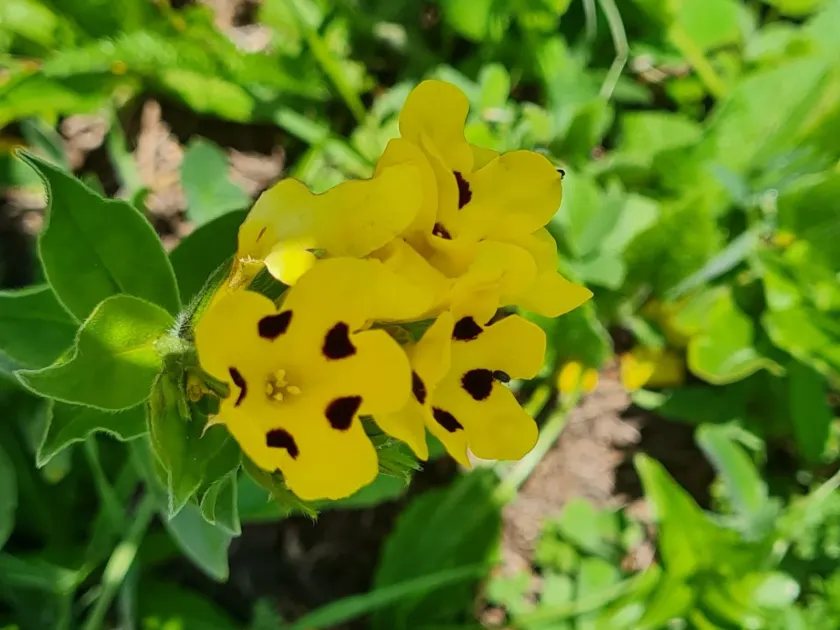
Description
Sowing dates
The sowing of Arnebia pulchra is typically carried out in late spring, once the soil has warmed up sufficiently. Direct seeding in the open ground is the most effective method, as it allows the root system to establish well before the summer heat.
Winter sowing is also a viable option in milder climates, performed in late autumn. Natural stratification during the winter months helps to achieve more vigorous germination once temperatures rise in the early spring.
When starting seeds indoors, use a well-draining, lightweight seed-starting mix. Maintain a temperature of 18–20 degrees Celsius and provide bright, indirect light, as the seeds require light to trigger the germination process.
Seeds should be surface-sown and barely covered with a thin layer of fine grit or sand. This practice ensures that the seeds remain exposed to light while preventing them from washing away during irrigation.
Once the seedlings develop two sets of true leaves, they should be transplanted to their final location. Space plants at least 25–30 centimeters apart to prevent overcrowding and ensure adequate airflow for the mature plants.
Growing requirements
Arnebia pulchra, a member of the Boraginaceae family, is a sun-loving plant that requires full exposure to thrive. Planting it in shaded areas will significantly reduce its flowering potential and overall structural integrity.
This species is exceptionally well-adapted to poor, rocky, or sandy soils. Soil structure must be free-draining; heavy clays are unsuitable as they often cause root rot during periods of increased precipitation.
The plant prefers a neutral to slightly alkaline soil pH. Amending heavy soils with coarse gravel or pumice is a recommended practice to improve drainage and mirror the plant’s natural native environment.
Arnebia pulchra is highly drought-tolerant once established. It requires minimal supplemental watering, as excess soil moisture can easily lead to the decay of the crown and root tissues.
Minimal fertilization is required for this perennial. A light application of balanced slow-release fertilizer in early spring is usually sufficient to support healthy growth and a prolonged flowering season throughout the summer.
Main diseases and pests
Root rot is the primary threat to Arnebia pulchra. This condition is almost exclusively caused by excessive irrigation or planting in poorly draining soils, emphasizing the need for a gritty planting substrate.
Pests such as aphids or spider mites can occasionally affect the foliage, particularly if the plant is stressed by environmental factors or poor air circulation. Regular monitoring is advised for early detection.
In humid environments, slugs and snails may pose a risk to tender new growth. Using organic barrier methods can help protect the plants without resorting to harsh chemical treatments in the garden.
Fungal infections can develop if dead foliage is left in contact with the soil. Keeping the base of the plant clean and ensuring there is no accumulation of debris around the crown is vital for long-term health.
Preventative care relies on proper site selection. By choosing an elevated or well-sloped area with excellent drainage, the likelihood of disease transmission and insect infestations is significantly reduced.