
Arnebia benthamii
Arnebia benthamii
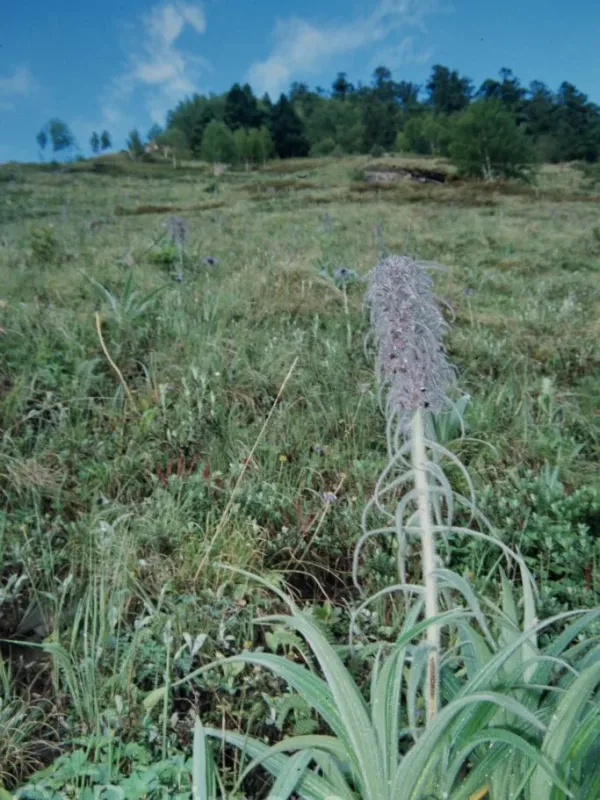
Description
Sowing dates
Arnebia benthamii is a unique high-altitude species that requires seed stratification for successful germination. Sowing is traditionally carried out before winter in open ground or in early spring after cold pretreatment.
The seeding depth should be minimal, as the seeds are small and sensitive to soil density. The optimal substrate for sowing is a light, well-drained sandy mixture with the addition of mineral components.
Seedlings emerge rather slowly, which requires careful control of weed growth. It is recommended to use container methods for seedling production followed by transplantation to a permanent site.
Planting density must account for the natural rosette growth form of the plant. It is important to provide sufficient spacing between plants to prevent moisture stagnation in the root zone.
Adherence to temperature regimes during the germination phase is critical, as the plant is adapted to the drastic fluctuations between night and day temperatures in mountainous terrain.
Growing requirements
The culture belongs to the Boraginaceae family and naturally grows in the high Himalayas. The plant prefers sunny areas with well-aerated, rocky soil that is free from excessive water retention.
For the normal development of Arnebia benthamii, moderate air humidity characteristic of alpine and subalpine belts is required. Excessive soil moisture during the summer period often leads to root rot.
The plant possesses high resistance to low temperatures, yet is extremely sensitive to damping off during winter thaws. Ideal conditions include poor but structured soils with a neutral or slightly alkaline pH.
Agronomic maintenance consists of cultivating inter-row spaces and maintaining a stable temperature background. Under lowland farming conditions, artificial drainage must be created in growing plots.
The culture is a perennial that forms a powerful taproot, allowing it to survive in the harsh conditions of high-altitude climates.
Yield
The yield of Arnebia benthamii in cultivation is determined by the accumulation of root and aerial biomass used in pharmaceuticals. Unlike grains, the focus is on the yield of dry raw material per hectare.
Active substances, including alkaloids and specific pigments, accumulate in the plant's rhizome. The maximum yield of raw material is achieved in the third or fourth year of the plant's life following intensive root system development.
An important productivity factor is adherence to harvesting schedules, which significantly affects the concentration of secondary metabolites in the roots. Poor maintenance in the first two years significantly reduces the final quality output.
Seed collection indicators depend on inflorescence pollination, which in artificial conditions may be limited by the absence of natural pollinators.
Industrial cultivation requires strict adherence to rotation cycles, as long-term cultivation in one place depletes specific soil resources.
Main diseases and pests
The main threats to the culture are associated with fungal diseases that develop under high humidity. Root rot is the most dangerous problem, capable of destroying a plantation in a short period.
Pests affecting Boraginaceae, such as aphids or spider mites, can damage the aerial leaf rosette. Regular phytosanitary monitoring allows for the containment of outbreak spots at early stages.
Weed vegetation presents serious competition for the slow-growing seedlings of Arnebia benthamii. Mechanical weeding must be performed carefully to avoid damaging the fragile root collar.
Climatic stresses, such as prolonged rain during the flowering period, hinder normal seed ripening. Powdery mildew may also occur during periods of poor ventilation.
For pest protection, the use of biological agents is recommended, as this crop is widely used in medicine and requires high ecological purity of the raw material.
Harvesting
Harvesting of Arnebia benthamii is carried out mainly at the end of the growing season when the accumulation of active ingredients in the roots reaches its peak. Rhizomes are carefully extracted from the soil to avoid damage.
After extraction, the material is thoroughly cleaned of soil residues and washed in running water. The drying process should occur at a controlled temperature to preserve the chemical composition.
The aerial part of the plant may be collected during mass flowering if it is also used in production, but the roots remain the primary raw material. Caution is required during mechanized harvesting.
After collection, the rhizomes are cut into fragments of the desired size to accelerate drying and prevent spoilage. Storage of dry raw materials is carried out in airtight containers in a dark, dry room.
Compliance with post-harvest treatment protocols is key to ensuring pharmacopeia standard compliance and the high market quality of the resulting product.