
Arnebia densiflora
Arnebia densiflora
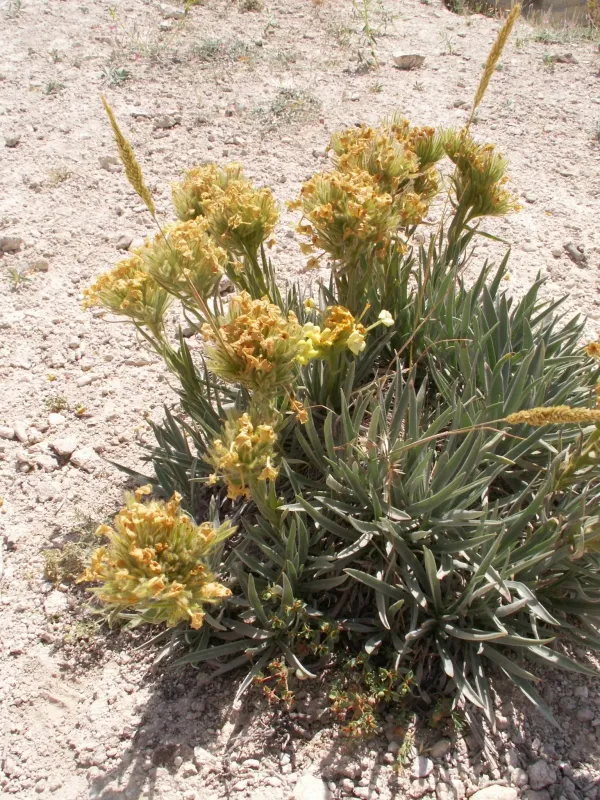
Description
Sowing dates
Sowing Arnebia densiflora is most effective during the spring season once the soil has warmed sufficiently to ensure consistent germination rates.
The seeds require a cold stratification process lasting at least 4 to 6 weeks to break dormancy and trigger the natural biological rhythm of the plant.
Seeds should be planted at a shallow depth of approximately 0.5 centimeters, as they require adequate light to initiate the germination process.
Fall sowing is also a viable option in temperate climates, providing the seeds with the necessary winter chilling period directly in the field.
When starting indoors, maintain a temperature of 15–18 degrees Celsius and ensure the soil remains only slightly moist to prevent seed rot.
Growing requirements
Arnebia densiflora belongs to the Boraginaceae family and is highly valued in horticulture for its extreme hardiness and preference for sunny locations.
This species thrives in well-draining, gritty, or sandy soils where water does not pool, as the root system is sensitive to prolonged wet conditions.
While the plant tolerates nutrient-poor soil, it benefits from occasional mineral supplementation during the active vegetation stage in early spring.
It is an ideal choice for xeriscaping, rock gardens, or borders that experience high sun exposure and occasional summer drought periods.
Proper spacing of 25–30 centimeters is recommended to facilitate optimal airflow, which is critical for preventing fungal issues in the foliage.
Main diseases and pests
Root rot caused by stagnant water or excessive soil moisture is the most common and fatal condition for this specific plant species.
Powdery mildew may occur if planting density is too high, leading to stagnant air pockets and increased humidity around the plant stems.
Aphids and spider mites are potential pests that tend to infest the foliage, particularly when the plant is under stress from heat or drought.
Strategic monitoring of the plant base and foliage allows for early intervention using standard organic or systemic pest management solutions.
- Regular weeding is essential as the plant does not compete well with vigorous invasive weeds for nutrients and sun exposure.
Harvesting
Seed harvesting should be performed when the seed capsules turn brown and show signs of natural dryness at the end of the flowering cycle.
It is best to harvest on a dry day to ensure that the moisture content is low, which enhances the longevity of the collected seeds during storage.
Once collected, the seeds should be spread out in a thin layer in a shaded, well-ventilated area to finalize the drying process before packaging.
Storage should occur in breathable paper bags in a cool, dry place to prevent the buildup of moisture that leads to premature loss of viability.
The primary use of Arnebia densiflora is decorative, specifically in alpine and drought-tolerant garden designs due to its unique color-changing blooms.