
Argyranthemum webbii
Argyranthemum webbii
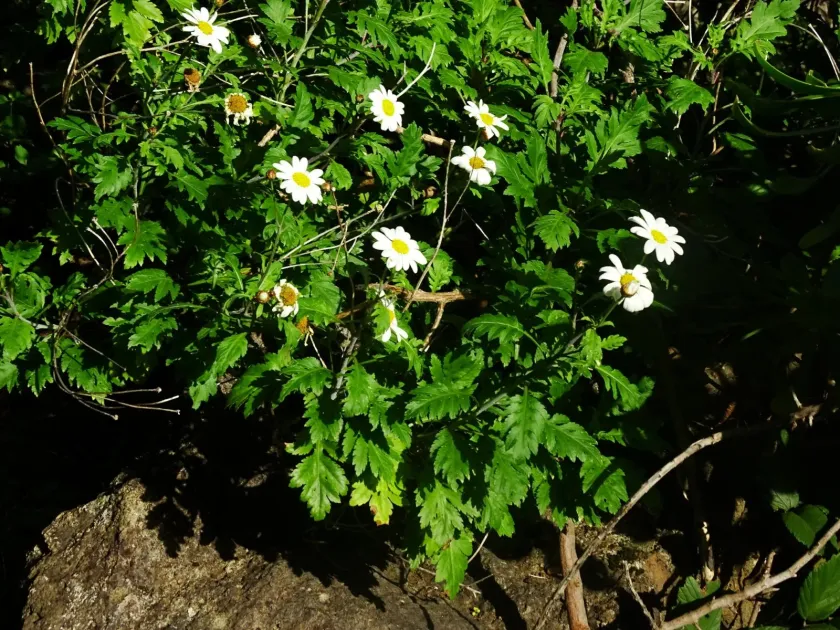
Description
Sowing dates
Propagation of Argyranthemum webbii is primarily performed using seeds sown in late winter or early spring within a controlled greenhouse environment. A sterile, well-draining substrate is essential for seed germination.
Seeds require a constant temperature of approximately 20 degrees Celsius to break dormancy. Once germinated, seedlings need intense light to prevent etiolation and ensure a sturdy stem structure.
Transplanting into individual pots should occur once the first true leaves have fully expanded. This encourages root development and minimizes transplant shock when moving plants outdoors.
For commercial production, vegetative propagation via cuttings is often preferred to maintain genetic consistency. Cuttings are typically taken from healthy, non-flowering shoots during the active growth phase.
Hardening off the plants is a critical step before permanent planting. Gradually acclimating the young plants to outdoor conditions reduces the risk of leaf scorch and frost damage.
Growing requirements
Argyranthemum webbii is a member of the Asteraceae family, native to the Canary Islands. It is biologically adapted to coastal environments characterized by bright, direct sunlight and mild temperatures.
The plant thrives in sandy or loamy soils with excellent drainage. It is highly intolerant of waterlogged conditions, which lead to rapid root decay and plant failure in agricultural settings.
Optimal growth is achieved when the soil pH is kept slightly alkaline to neutral. Regular application of a balanced, low-nitrogen fertilizer helps promote flower production throughout the season.
Pruning is vital for maintaining a compact, bushy habit. By removing the tips of the shoots, growers can encourage branching and increase the total number of blooms per plant.
While the species is hardy in Mediterranean-like climates, it requires protection or indoor overwintering in regions subject to freezing temperatures, as it is frost-tender.
Main diseases and pests
Root rot caused by Oomycetes is the most significant threat to the health of this species. It is primarily driven by poor drainage and excessive irrigation practices during cool, cloudy weather.
Aphids represent a recurring pest issue, particularly during the spring growth flush. They gather on terminal shoots and buds, causing deformed growth if not treated with appropriate insecticidal soap.
Spider mites are common in hot and arid conditions. These microscopic pests extract sap from the foliage, leading to stippling and eventual leaf necrosis if infestation levels are high.
Whiteflies can settle on the undersides of the leaves. Their feeding habits promote the growth of sooty mold on the foliage, which reduces the plant's photosynthetic efficiency.
Monitoring for powdery mildew is necessary during periods of high humidity. Proper plant spacing and adequate airflow around the canopy are the most effective non-chemical preventative measures.