
Argyranthemum foeniculaceum
Argyranthemum foeniculaceum
Description
Sowing dates
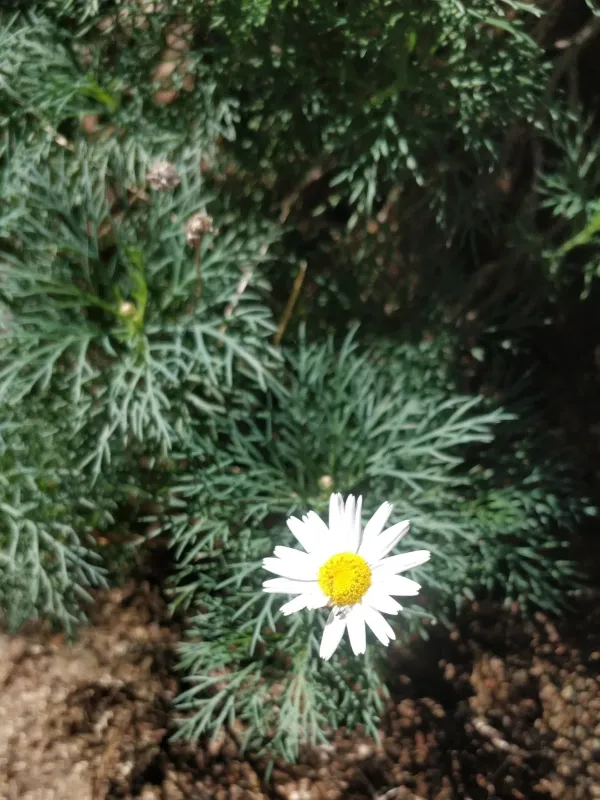
Argyranthemum foeniculaceum, commonly known as the fennel-leaved marguerite, is a member of the Asteraceae family noted for its finely divided foliage.
Propagation is typically achieved through seeds sown in late winter or by taking stem cuttings from healthy parent plants during the active growing season.
Seedlings require a well-drained, sterile seed-starting mix and a warm environment to germinate successfully within a few weeks.
It is essential to provide adequate artificial light if seedlings are grown indoors to prevent them from becoming leggy and weak.
Transplanting to the final location should only occur after all risks of frost have passed and the plants have been properly acclimated to outdoor conditions.
Growing requirements
This species thrives in full sun exposure and requires at least six to eight hours of direct sunlight daily to produce abundant blooms.
The soil should be fertile, light, and possess excellent drainage capabilities to prevent waterlogging, which the plant is highly sensitive to.
Watering practices should be consistent, ensuring the substrate remains moist but not saturated, especially during hot summer days.
Regular fertilization with a phosphorus-rich supplement during the flowering period will significantly boost the number of daisy-like flowers.
Pruning is a vital aspect of maintenance; cutting back stems after the first flush of flowers encourages bushier growth and repeat flowering.
Main diseases and pests
The most frequent pests affecting this crop are aphids, spider mites, and whiteflies, which can quickly cause leaf yellowing and stunted development.
Overhead watering or poor air circulation in dense plantings often leads to fungal issues such as powdery mildew or grey mold.
Root rot is a major threat occurring when the plants are grown in heavy soil or pots without proper drainage holes.
Integrated pest management, including physical removal of insects and the use of horticultural oils, is recommended for sustainable control.
Maintaining a clean growing environment and removing plant debris from the base of the plants helps reduce the incidence of soil-borne pathogens.