
Argyranthemum adauctum
Argyranthemum adauctum
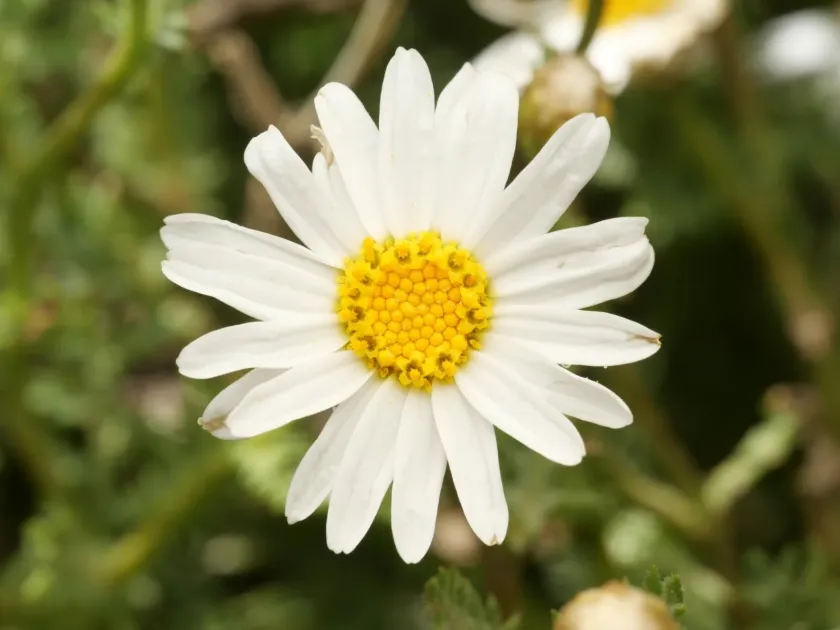
Description
Sowing dates
Argyranthemum adauctum is primarily propagated via seeds or stem cuttings. Seeds should be sown in late winter in a sterile, well-draining substrate, kept at a consistent temperature of around 20°C to ensure uniform germination.
Cuttings are usually taken from healthy, non-flowering shoots during the spring season. Dipping the ends in a rooting hormone and placing them in a mix of perlite and peat significantly improves the success rate of propagation.
Transplanting into the garden or final containers must occur only after all risks of frost have passed. These plants are sensitive to root disturbance, so careful handling of the root ball is essential during the transplanting process.
For optimal growth, spacing should be maintained at about 40 centimeters apart. This allows for adequate development of the root system and prevents the foliage from becoming overcrowded, which is vital for plant health.
Pinching the growing tips is a common practice used to encourage bushy, compact plants. Regular maintenance throughout the early growth stages results in a higher density of flower buds and a more aesthetically pleasing form.
Growing requirements
Argyranthemum adauctum is a member of the Asteraceae family, native to the Canary Islands. It thrives best in full sun exposure, which is necessary for maintaining continuous and vibrant flowering throughout the growing season.
The soil should be nutrient-rich, neutral to slightly acidic, and exceptionally well-drained. Heavy clay soils that retain moisture can lead to root rot, so adding organic matter and coarse sand is highly recommended for container growing.
Watering should be consistent but cautious; allow the top layer of the soil to dry out between applications. In container gardening, ensure there are sufficient drainage holes at the bottom of the pot to allow excess water to escape.
The ideal temperature range for this species is between 15°C and 25°C. While it is hardy in its native environment, in temperate regions, it should be moved to a frost-free, bright location during the winter months.
Regular fertilization with a balanced liquid fertilizer is required during the peak blooming period. Incorporating a slow-release fertilizer into the planting medium at the beginning of the season provides long-term nutritional support.
Main diseases and pests
Aphids and spider mites are the most common pests affecting Argyranthemum adauctum. They tend to congregate on the undersides of leaves and on developing flower buds, necessitating early detection and treatment.
Powdery mildew is a significant fungal threat, especially in humid or stagnant air conditions. Improving airflow around the plants and avoiding overhead watering can effectively reduce the risk of this disease.
Root rot, often caused by overwatering or poor soil drainage, can cause the plant to collapse quickly. Once the root system is compromised, recovery is difficult, making preventative measures the best course of action.
Thrips may cause damage to the leaves and flowers, leading to discolored or deformed tissue. Using yellow sticky traps can help monitor pest populations and provide an early warning system for the gardener.
Effective management involves a combination of mechanical removal, appropriate spacing, and the use of insecticidal soaps or neem oil when pest numbers exceed acceptable thresholds. Integrated pest management ensures better long-term results.