
Argyranthemum maderense
Argyranthemum maderense
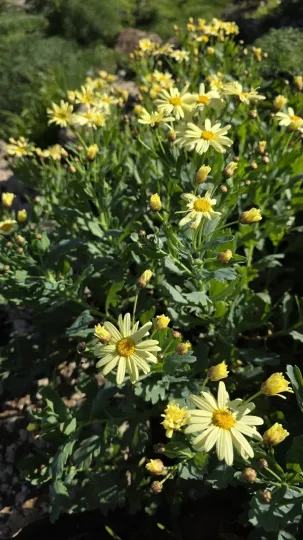
Description
Sowing dates
Argyranthemum maderense, a member of the Asteraceae family, is a decorative crop that responds well to both seed propagation and vegetative multiplication. To ensure early flowering, seeds should be sown in greenhouses during late winter.
When starting from seeds, it is recommended to use a lightweight, sterile potting medium. The seeds should be lightly covered and kept at a temperature of approximately 20 degrees Celsius until germination occurs.
Vegetative propagation via cuttings is the standard method for maintaining specific cultivar characteristics. Semi-hardwood cuttings, taken from healthy mother plants, root effectively in a moist substrate within 3 to 4 weeks.
Seedling development requires adequate spacing to prevent stretching. Once the plants reach a sufficient size, they should be transplanted into individual containers or nursery beds to encourage robust root system establishment.
Acclimatization of the young plants to outdoor conditions is a critical step before permanent planting. Gradual exposure to external environments helps the plants develop necessary resilience against wind and temperature fluctuations.
Growing requirements
Argyranthemum maderense requires full sun exposure for optimal vegetative growth and profuse flowering. Plants grown in shaded areas tend to lose their structural integrity and exhibit significantly reduced bloom counts.
Well-draining, fertile soil is essential for this crop. It thrives in soils with neutral to slightly acidic pH levels, and incorporating organic matter can improve nutrient availability and moisture retention.
Watering frequency should be adjusted based on environmental conditions. While the plant prefers consistent moisture during the peak growing season, it is vital to avoid waterlogging, which can lead to root system failure.
Fertilization with a balanced, potassium-rich formula throughout the growing season supports long-lasting flower production. Regular feeding intervals help the plant sustain its energy levels during the intense blooming phase.
The ideal temperature for this species ranges between 15 and 25 degrees Celsius. Being native to the Madeira region, it prefers mild climates and requires protection from frost, making it a tender perennial in colder agricultural zones.
Main diseases and pests
Pest management is an important aspect of cultivation, with aphids and thrips being the most frequent invaders. These insects target soft tissue and developing buds, which necessitates regular scouting of the plant canopy.
Powdery mildew is a common fungal threat that appears when air circulation is poor or humidity levels remain consistently high. Proper spacing between plants and strategic pruning are primary cultural controls for this issue.
Root rot is typically associated with poor drainage or over-irrigation. Prevention relies on selecting well-draining potting mixes and ensuring that containers have adequate drainage holes to prevent standing water.
Sanitation practices, such as the removal of dead or decaying plant matter, significantly reduce the risk of pathogen accumulation. Keeping the growing area clean helps in maintaining the overall health of the crop.
Integrated pest management, including the use of targeted biological controls or appropriate insecticidal soaps, is recommended when pest populations exceed economic injury levels. Constant vigilance ensures high-quality decorative output.