
Argyranthemum haematomma
Argyranthemum haematomma
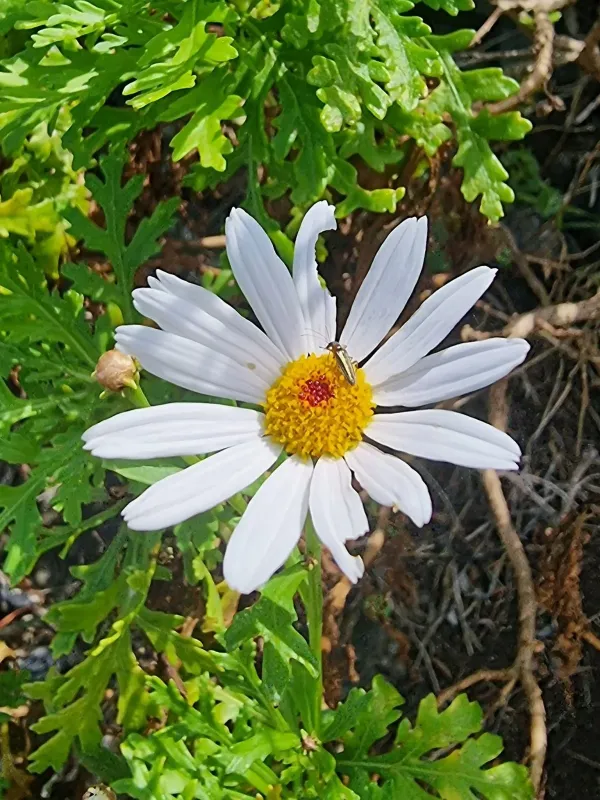
Description
Sowing dates
Sowing Argyranthemum haematomma seeds should be performed in late winter or early spring, approximately 8 to 10 weeks before the expected last frost date. Maintaining a stable temperature between 18–20 degrees Celsius is essential for optimal germination.
Seeds should be sown in a light, sterile soil mix. Cover them lightly with a thin layer of vermiculite, as they require some light to germinate effectively. It is vital to maintain consistent moisture without saturating the growing medium.
Once the seedlings develop two sets of true leaves, they should be pricked out into individual containers. This process encourages the development of a robust root system, which is crucial for transplanting success.
Hardening off the seedlings over a period of two weeks is necessary to acclimate them to outdoor conditions. Gradually exposing them to natural light and ambient temperatures prevents transplant shock.
Transplanting into the garden should only occur after the risk of frost has passed. Ensure the plants are spaced at least 30–40 cm apart to allow for proper air circulation and healthy growth.
Growing requirements
Argyranthemum haematomma belongs to the Asteraceae family and is native to the Canary Islands. It is an ornamental perennial subshrub characterized by its daisy-like flowers and fine, fern-like foliage.
This species requires full sun exposure to maintain its compact form and produce an abundance of blooms. In shaded environments, the plant tends to become leggy and significantly less productive.
Well-draining, fertile soil is a strict requirement for this crop. If the soil is heavy or prone to waterlogging, it is advisable to add organic matter or grit to improve aeration and drainage.
Irrigation should be consistent, allowing the surface of the soil to dry out slightly between waterings. Overwatering is the most common cause of root rot, especially in container-grown specimens.
Regular deadheading of spent flowers is recommended to encourage continuous blooming throughout the growing season. Additionally, periodic light pruning helps maintain the plant's structural integrity.
Main diseases and pests
The primary diseases affecting Argyranthemum haematomma are fungal infections, such as powdery mildew and grey mold. These usually occur in stagnant, humid environments with poor airflow around the plant.
Aphids are the most common insect pests, often targeting new growth and flower buds. They feed on plant sap, causing stunted growth and potentially spreading viral infections if left unchecked.
Spider mites can be problematic during hot and dry weather conditions. They feed on the underside of leaves, causing them to yellow and drop prematurely, which significantly affects the plant's health.
Preventive measures include spacing plants correctly to ensure air circulation and monitoring the health of the foliage frequently. Avoiding overhead irrigation helps in reducing the incidence of fungal issues.
In case of pest infestations, using insecticidal soaps or systemic insecticides is effective for aphids, while miticides may be necessary for severe mite outbreaks. Always follow the manufacturer's dosage guidelines.