
Argyranthemum gracile
Argyranthemum gracile
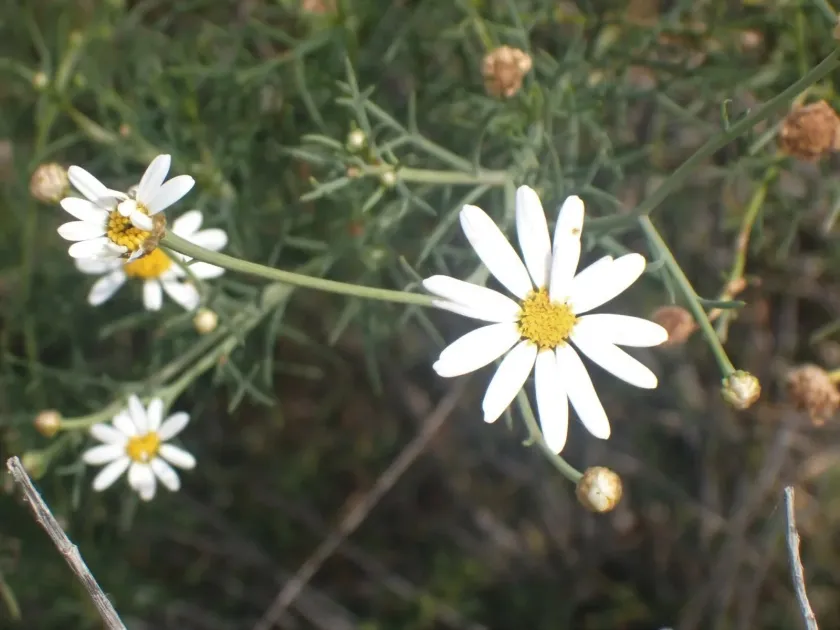
Description
Sowing dates
Argyranthemum gracile, a member of the Asteraceae family, is widely grown as a decorative ornamental crop. Propagation is typically achieved via seeds, which are sown in late winter or early spring within controlled greenhouse environments.
The growing substrate must be well-draining and sterilized to ensure uniform germination. Seeds are lightly pressed into the soil surface, as light is a critical factor for the emergence of seedlings in this species.
After germination, it is essential to maintain optimal light levels to prevent leggy growth. The temperature should be maintained around 18 to 20 degrees Celsius to encourage healthy, compact vegetative development.
Transplanting into individual pots or cell trays should occur as soon as the seedlings are manageable. Providing enough space for root development is vital for achieving high-quality plants intended for sale or landscape use.
Hardening off is a standard procedure carried out before transplanting to outdoor environments. This process involves gradually introducing the plants to lower temperatures and higher air movement to reduce transplant shock.
Growing requirements
Argyranthemum gracile thrives in full sun exposure. Adequate light is the most important factor in maintaining the plant's characteristic bushy habit and ensuring prolific flowering throughout the season.
The soil should be nutrient-rich with a slightly acidic to neutral pH. Proper drainage is non-negotiable; plants left in waterlogged conditions are highly susceptible to root decay and overall poor health.
Watering requirements are consistent, yet the substrate should be allowed to dry slightly between irrigation events. Consistent moisture prevents stress, which can trigger early senescence or bud drop in these plants.
Temperature management during the growing season should range between 15 and 25 degrees Celsius. While the plant can tolerate mild variations, constant exposure to extreme heat should be mitigated by ventilation.
Regular fertilization with a balanced, water-soluble fertilizer is recommended to support continuous blooming. High potassium levels are specifically beneficial during the intense flowering phases of the plant.
Main diseases and pests
Aphids and whiteflies represent the primary insect threats to this crop. These pests can cause significant leaf deformation and transmit viral diseases, necessitating strict integrated pest management (IPM) protocols.
Powdery mildew and gray mold are common fungal issues, particularly when humidity levels remain high for extended periods without adequate air circulation between the foliage of the plants.
Root rot, caused by various pathogens such as Pythium, often develops in poorly drained containers. Prevention focuses on moisture management and the use of high-quality, professional-grade potting mixes.
Spider mites can rapidly infest plants in hot, dry greenhouse conditions. Routine monitoring of the undersides of leaves is required to detect early infestations before they compromise the aesthetic value.
Deadheading or removing spent flowers is an essential task to maintain plant vigor. By preventing the plant from focusing energy on seed production, you encourage a continuous wave of new floral development.