
Argyranthemum pinnatifidum
Argyranthemum pinnatifidum
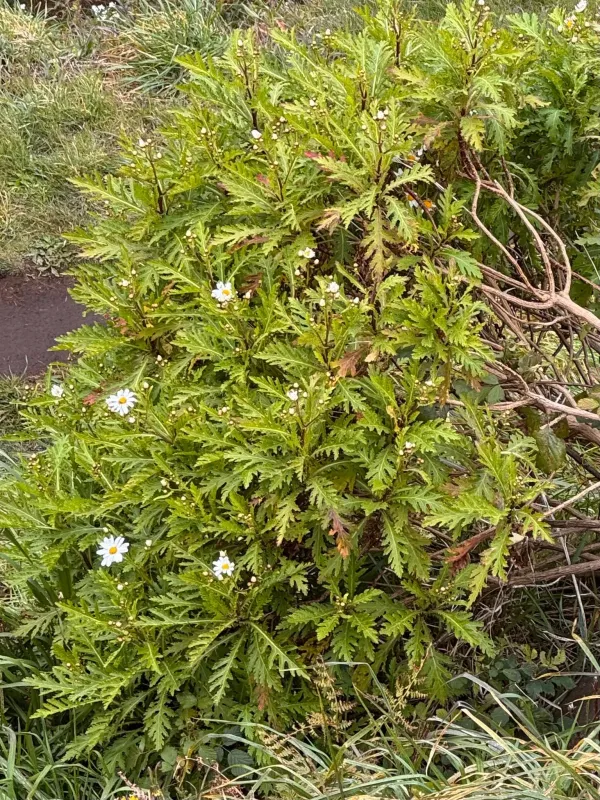
Description
Sowing dates
Propagation of Argyranthemum pinnatifidum is typically achieved through seeds or stem cuttings. Seed sowing for nursery production usually begins in late winter, requiring temperatures between 18 and 20 degrees Celsius for optimal germination.
Seedlings are pricked out into individual cells or small pots once the first true leaves appear, using a high-quality, well-aerated potting mix. This stage is critical for establishing a robust root system before transplanting.
Vegetative propagation via cuttings is preferred for maintaining genetic uniformity. Cuttings are taken in late summer, treated with rooting hormones, and placed in a misting chamber to facilitate quick root development.
Hardening off is a mandatory process for all greenhouse-raised plants. Exposing seedlings to outdoor conditions for about two weeks prior to permanent planting ensures they adapt to fluctuations in temperature and light intensity.
Final spacing in the field or landscape is crucial for airflow. Depending on the intended use, plants are usually spaced to allow for sufficient spread, preventing overcrowding and subsequent humidity buildup.
Growing requirements
As a member of the Asteraceae family, this species thrives in full sun exposure. It requires high light levels throughout the day to maintain a compact, bushy habit and to stimulate prolific flower production.
The crop requires well-drained, fertile soil with a neutral to slightly acidic pH. Soils that are too heavy or clay-like must be amended with organic matter or grit to ensure proper drainage, as this plant is sensitive to waterlogging.
Consistent watering is essential, especially during active growth periods. However, the surface of the soil should be allowed to dry slightly between waterings to prevent the development of root pathogens and anaerobic conditions.
Regular fertilization with balanced NPK fertilizers is required during the flowering season. Supplements containing magnesium and iron can prevent leaf chlorosis, which may occur in suboptimal soil conditions.
The ideal environment is characterized by moderate temperatures and good air circulation. The plant is not suited for extreme heat or high-humidity environments, which can lead to rapid physiological decline and disease outbreaks.
Main diseases and pests
Powdery mildew is a common fungal threat, particularly in greenhouses with stagnant air. Management involves improving ventilation, reducing humidity, and applying targeted fungicides if symptoms appear on the foliage.
Root rots caused by various species of fungi are common in overwatered containers. Ensuring that drainage holes are clear and using a light, porous soil medium are the primary preventative measures against these pathogens.
Aphids are the most frequent insect pests, often colonizing terminal buds and soft tissue. Early detection and the use of insecticidal soaps or systemic chemicals are effective strategies for keeping populations in check.
Spider mites can become problematic during hot, dry spells. They thrive in dusty, dry conditions, making regular light misting of foliage a helpful preventative measure in controlled environment agriculture.
Whiteflies can also cause significant damage in protected structures. Integrated pest management, including the use of sticky traps and biological control agents, is recommended to minimize chemical reliance in commercial settings.