
Argyranthemum dissectum
Argyranthemum dissectum
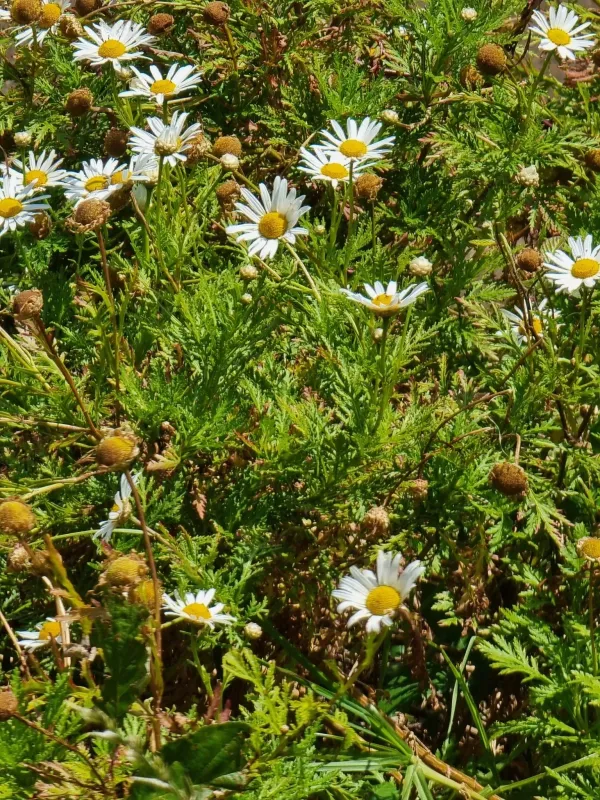
Description
Sowing dates
Sowing Argyranthemum dissectum seeds is typically carried out in late winter or early spring within controlled greenhouse environments. This timing allows for sufficient root establishment before the plants are transferred to outdoor conditions.
The seeding substrate must be light, well-draining, and rich in organic matter. Seeds should be sown on the surface and pressed lightly into the medium, as they require light for optimal germination rates.
Temperature control is vital during the initial stages; maintaining a range of 20 to 22 degrees Celsius promotes uniform germination. Consistent humidity must be maintained until the first true leaves emerge.
Pricking out or transplanting seedlings into individual containers encourages better lateral root development. This practice is essential for producing robust plants capable of rapid growth after field transplanting.
Hardening off the plants is a necessary step before moving them to the field. Gradually acclimatizing the seedlings to ambient outdoor temperatures prevents transplant shock and ensures successful establishment.
Growing requirements
Argyranthemum dissectum, belonging to the Asteraceae family, is a sun-loving species native to the Canary Islands. It thrives in full sunlight, which is critical for maintaining its compact habit and prolific flowering.
The soil should be fertile, sandy-loam, and possess excellent drainage. While the plant appreciates consistent moisture, it is highly sensitive to waterlogging, which quickly leads to root rot and plant decline.
Regular irrigation is necessary during the active growing season. However, water management should focus on keeping the root zone slightly moist without ever allowing it to become saturated for extended periods.
A consistent fertilization program is required to support the energy-intensive flowering process. Balanced fertilizers rich in potassium and phosphorus help improve flower size and color intensity throughout the season.
Pruning is a standard agronomic practice for this crop. Deadheading wilted flowers and occasionally trimming the foliage promotes continuous blooming and helps maintain the desired aesthetic shape of the bush.
Main diseases and pests
The primary pests affecting this crop include aphids, spider mites, and whiteflies. These insects cause damage by extracting plant sap, often leading to stunted growth and leaf chlorosis.
Fungal diseases, such as powdery mildew and gray mold, pose significant threats, especially in environments with poor air circulation and high humidity. These pathogens can rapidly infect entire stands.
Integrated pest management strategies are recommended to control insect populations. Utilizing biological controls alongside targeted systemic insecticides helps maintain crop health while minimizing chemical reliance.
Disease management relies on environmental control. Improving airflow, spacing plants adequately, and ensuring irrigation water does not stay on the foliage overnight effectively reduces the risk of fungal infections.
- Monitor for early pest signs.
- Promote ventilation in greenhouses.
- Remove infected plant parts immediately.