
Argyranthemum thalassophilum
Argyranthemum thalassophilum
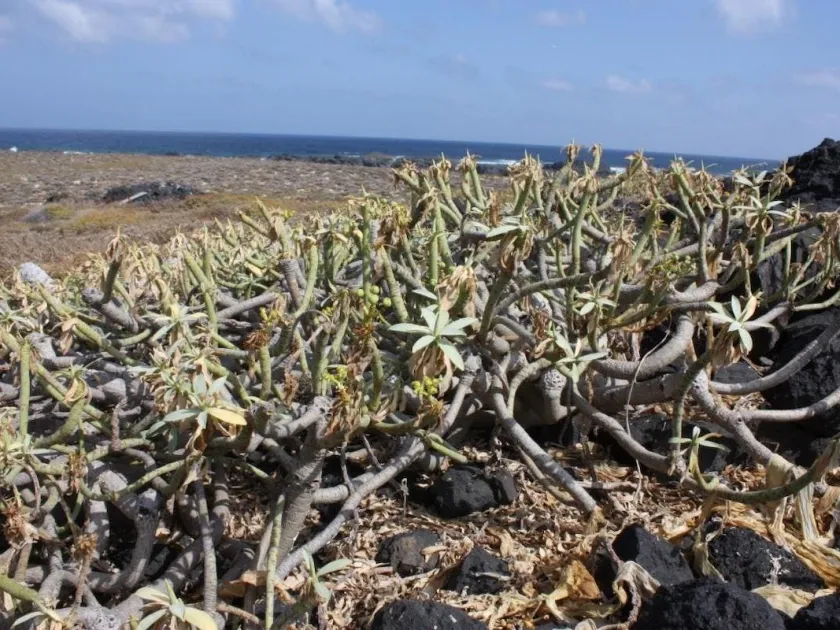
Description
Growing requirements
Argyranthemum thalassophilum is a distinct member of the Asteraceae family, native to the rugged coastal environments of the Canary Islands. As a botanical species, it has evolved to thrive in specialized microclimates where maritime influence is a constant factor.
The plant requires well-draining, loose soil to prevent root rot, which is the primary cause of failure in its cultivation. Incorporating coarse sand or fine gravel into the planting medium is standard practice to mimic its natural rocky habitat.
Full sun exposure is essential for the healthy development of this species. When grown under light-deficient conditions, the plant tends to lose its characteristic compact habit, becoming leggy and significantly reducing the density of its flowering display.
Regarding climate, it prefers stable temperatures and protection from frost. While it is hardy in Mediterranean-like conditions, it must be treated as an annual or overwintered in climate-controlled glasshouses in cooler geographic regions.
Economically, this species is highly valued in the ornamental plant market. It is widely used for patio landscaping, container gardening, and as a decorative element in coastal gardens due to its high tolerance for saline air and aesthetic appeal.
Main diseases and pests
Fungal pathogens represent the most significant threat to Argyranthemum thalassophilum. Conditions such as botrytis and root rot are common when soil moisture is poorly managed or when humidity levels inside greenhouses remain excessively high.
Aphids and thrips are the most common insect pests associated with this crop. These insects primarily target the soft, growing tips and flower buds, potentially causing severe deformity and stunted growth if left unmanaged by the grower.
Spider mites can become a problematic issue, particularly in high-temperature or low-humidity environments. Their feeding leads to discolored, mottled foliage, which reduces the photosynthetic capacity of the plant and diminishes its overall market value.
Preventative cultural practices, such as maintaining proper spacing between plants to ensure airflow, are the first line of defense against both diseases and pests. Regular scouting allows for early detection of potential outbreaks.
Chemical control should be applied judiciously, focusing on systemic insecticides for persistent pests while adhering to integrated pest management (IPM) protocols to minimize the environmental impact of the treatment program.