
Arenga wightii
Arenga wightii
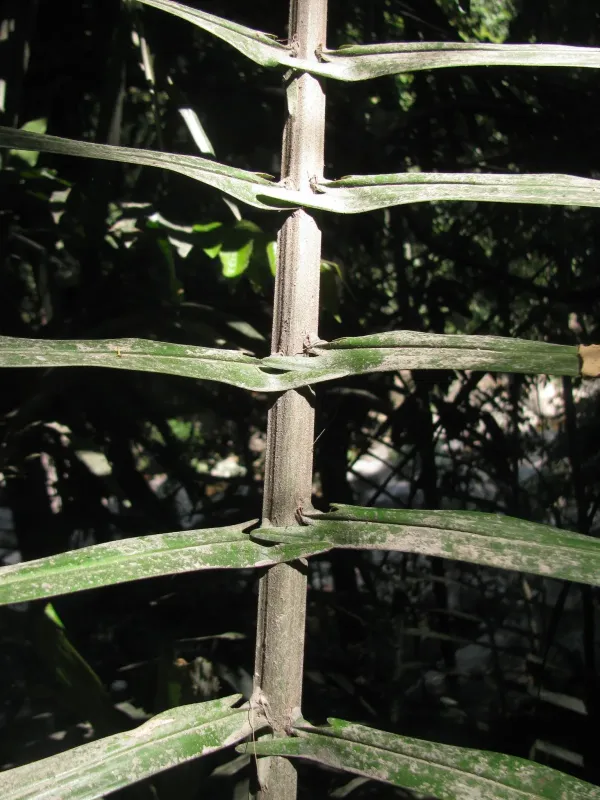
Description
Growing requirements
Arenga wightii is a perennial palm species belonging to the Arecaceae family. This palm is known for its distinct botanical structure and its specific adaptation to high-humidity tropical environments.
The plant originates from the Western Ghats of India. It typically thrives in tropical evergreen forest ecosystems, where it benefits from the consistent rainfall and protection from direct, scorching solar radiation.
Climate requirements involve high annual temperatures and a frost-free environment. Optimal growth is observed when the temperature remains consistently between 22°C and 30°C throughout the year.
Soil requirements dictate the need for well-draining, nutrient-rich soils. The palm performs best in environments where moisture is retained but never stagnant, as waterlogged conditions quickly lead to root decay.
Agricultural use centers on the extraction of fiber from the leaf sheaths. This fiber is highly durable, rot-resistant, and has been traditionally utilized for cordage, specialized brushes, and various rustic handicrafts.
Main diseases and pests
Fungal infections remain a primary threat to Arenga wightii populations, particularly when environmental management fails to provide adequate aeration around the growing point.
Palm weevils are the most destructive pests for this species. They bore into the crown and stem, often causing irreversible internal damage that results in the rapid death of the palm.
Sap-sucking pests such as scale insects and mealybugs frequently target the foliage. These infestations can significantly weaken young plants and serve as vectors for secondary bacterial diseases.
Root-knot nematodes can also hinder development, especially in nursery settings. Proper soil sterilization and regular monitoring are essential to prevent widespread contamination of the root systems.
Successful crop management relies on a combination of cultural practices, such as pruning dead fronds and maintaining proper spacing, to ensure the long-term viability of the palm plantation.