
Arenga pinnata
Arenga pinnata
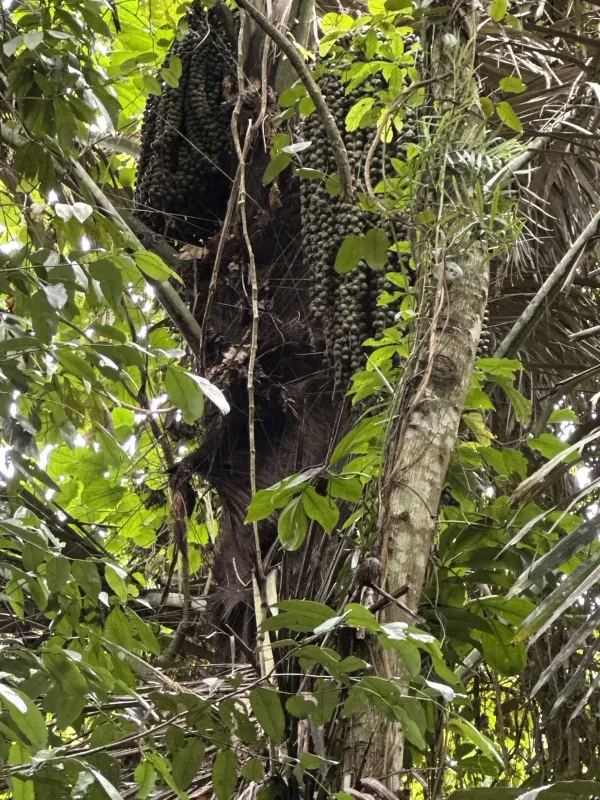
Description
Sowing dates
Propagation of Arenga pinnata is primarily achieved through seeds, which exhibit a dormancy period lasting from three to six months before germination.
Pre-sowing treatment, including scarification or prolonged soaking in warm water, is essential to soften the hard seed coat and improve success rates.
Optimal germination requires consistent soil temperatures between 25 and 28 degrees Celsius, coupled with high substrate moisture levels.
Seedlings in nurseries must be kept in shaded conditions, as intense direct sunlight can desiccate and damage young, underdeveloped foliage.
Transplanting to the permanent plantation site occurs when the palm reaches 1–2 years of age, ensuring a robust root system for establishment.
Growing requirements
Arenga pinnata is a quintessential tropical crop, thriving in warm, humid climates where frost is completely absent throughout the year.
An annual rainfall of 2000–3000 mm is ideal for growth, and the plant remains highly dependent on high atmospheric humidity to maintain health.
The species prefers deep, well-drained alluvial soils rich in organic matter, with a neutral to slightly acidic soil pH level.
Waterlogging must be avoided, as the palm is highly susceptible to root damage if the soil remains saturated for extended periods.
While seedlings require partial shade, mature palms benefit from full sunlight, which is necessary for optimal development and sugar production.
Yield
The primary economic output is the sap collected from inflorescences before anthesis, which can yield substantial quantities of sugar-rich liquid.
The productive life of a single palm can span 5 to 10 years, depending on the intensity of tapping and the overall vigor of the individual tree.
Ijuk fiber, harvested from the leaf bases, is highly valued for its natural resistance to decay in both freshwater and saltwater environments.
The pith of the trunk contains significant starch stores, known as sago, which is extracted at the end of the palm's natural life cycle.
Fruits are processed to remove oxalates before consumption, as they are otherwise toxic and unsuitable for direct use in the food industry.
Main diseases and pests
The red palm weevil (Rhynchophorus ferrugineus) is a major pest, with larvae capable of causing catastrophic damage by boring into the trunk.
Fungal infections, particularly root and heart rot, are common risks in plantations with poor drainage or excessive soil moisture levels.
Scale insects and mealybugs can infest young foliage, stunting the growth of the palm and reducing its overall productivity and market value.
Improper tapping techniques for sap collection can create entry points for secondary infections, leading to the rapid decline of the palm tree.
Integrated pest management, including regular monitoring and removal of infected plant debris, is vital for maintaining plantation health.
Harvesting
Sap collection requires a rigorous process of massaging and tapping the inflorescences to stimulate and sustain the flow of sugary exudate.
Timing is critical; tapping must commence before seed development begins, as the plant redirects energy to fruit production, exhausting sugar reserves.
Starch extraction occurs once the tree has completed its reproductive cycle, marking the end of its useful life as a sugar producer.
Ijuk fiber is collected throughout the year by manual stripping from the trunks, providing a sustainable source of raw material for rope and filters.
Post-harvest handling and immediate processing are essential to prevent the fermentation of raw sap and ensure the quality of the final product.