
Arenga listeri
Arenga listeri
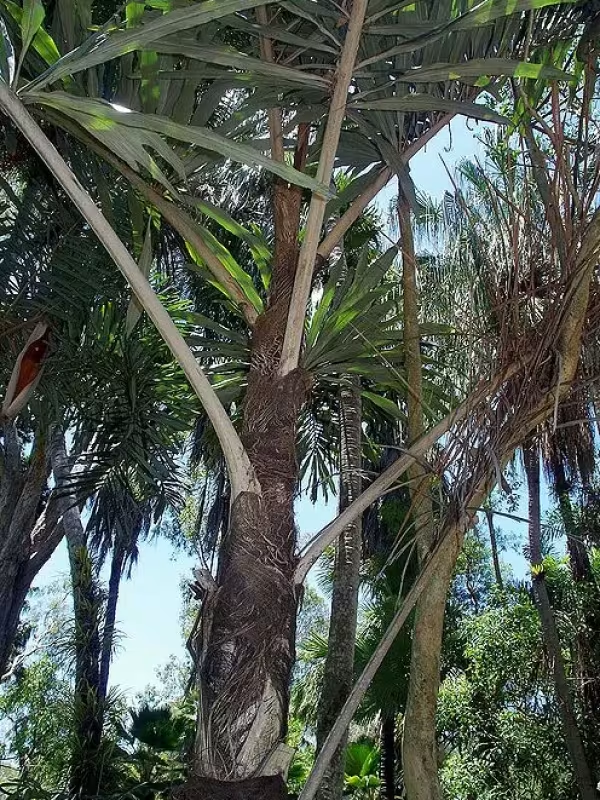
Description
Growing requirements
Arenga listeri, commonly known as the Lister palm, is a distinctive species within the Arecaceae family. It is an endemic palm, naturally found only on Christmas Island, where it plays a significant role in the local rainforest ecology.
This species thrives in a tropical climate characterized by high humidity and consistent warmth. It is naturally adapted to growing on nutrient-rich limestone soils, which provide the essential geological foundation for its development.
In terms of cultivation, the palm requires a stable environment with minimal temperature fluctuations. Because it is highly sensitive to cold, growing it outside of the tropics is only possible in climate-controlled conservatories or greenhouses.
The substrate must provide excellent drainage, as the roots are highly susceptible to rot if left in waterlogged conditions. A mix of organic matter, peat, and coarse perlite is typically recommended for container-grown specimens.
Light intensity should be high but diffused. Excessive direct sunlight, especially in glass-covered structures, can damage the leaves, while insufficient light leads to chlorosis and slowed growth rates.
Main diseases and pests
The primary threats to Arenga listeri in its native habitat include habitat fragmentation and the introduction of invasive species that compete for resources. Monitoring these factors is crucial for the conservation of the species.
In controlled environments, the palm may be vulnerable to common greenhouse pests such as spider mites, mealybugs, and scale insects. Regular inspection of the foliage is necessary to prevent infestations.
Fungal diseases related to root rot are the most common cause of mortality in cultivated plants, usually triggered by improper watering schedules or poor soil aeration. Maintaining clean tools and sterile growing media is essential.
Nutrient deficiencies, specifically in magnesium or potassium, can occur in containerized plants. Applying balanced palm-specific fertilizers at reduced concentrations can help maintain foliage health.
Environmental stress, such as low humidity levels, often manifests as leaf tip browning. Maintaining a humidity level of at least 60-70 percent is recommended to keep the plant in optimal physiological condition.