
Arenga hastata
Arenga hastata
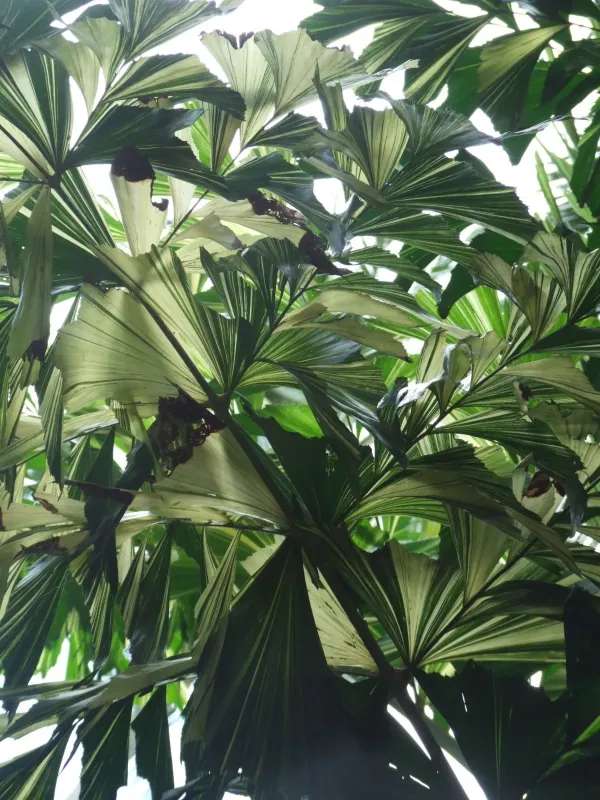
Description
Sowing dates
The propagation of Arenga hastata is primarily achieved through seeds, which require specific handling to ensure high germination rates. It is recommended to use fresh seeds immediately after harvest to maximize the probability of successful growth.
Before sowing, seeds should be soaked in warm water for 24 to 48 hours. This process helps soften the tough outer coat and hydrates the embryo, significantly reducing the overall time required for emergence.
The ideal sowing medium is a well-draining, sterile substrate that retains sufficient moisture. Seeds should be planted at a shallow depth and maintained in a temperature range of 25 to 30 degrees Celsius for optimal results.
Uniform soil moisture is crucial throughout the germination period. Containers should be kept in a warm, sheltered environment away from direct sunlight, which could dehydrate the soil surface before the seedlings establish themselves.
Once seedlings develop their first true leaves, they should be carefully transplanted into individual pots. This transition requires careful handling to avoid disturbing the sensitive root system, ensuring the plant adapts well to its new growing container.
Growing requirements
Arenga hastata, a member of the Arecaceae family, originates from the tropical rainforests of Southeast Asia. Consequently, it thrives best in environments that provide consistent heat and high ambient humidity throughout the year.
The plant prefers partial shade or dappled light conditions. Direct exposure to intense, full sun can cause severe leaf scorch and damage the photosynthetic capacity of the palm, so site selection is a critical management decision.
Soil requirements for this palm include a rich, organic-based medium with excellent drainage properties. A slightly acidic to neutral pH level is ideal to ensure the plant can efficiently absorb necessary macro and micronutrients.
Maintaining a stable temperature between 22 and 28 degrees Celsius is essential, as Arenga hastata is highly sensitive to cold stress and frost. Any significant temperature drop can lead to metabolic arrest or plant mortality.
Adequate irrigation is necessary to keep the soil consistently moist but never waterlogged. Fertilization programs should focus on providing balanced nutrients to support the steady leaf production characteristic of this species.
Main diseases and pests
Scale insects and mealybugs are the most common pests that affect Arenga hastata. These insects feed on the sap and can lead to yellowing leaves and an overall decline in plant vigor if left untreated.
Fungal leaf spots and root rots are major threats, particularly in poorly ventilated environments or areas with excessive soil moisture. Implementing strict sanitation protocols and preventing standing water are the best preventive measures.
Spider mites can become a problematic issue during periods of low humidity. Regularly misting the foliage or increasing the local humidity levels can effectively prevent mite infestations and keep the leaves healthy.
Root rot is especially dangerous because it often progresses unnoticed until the plant shows significant decline. Farmers should perform routine checks of the root health by observing soil drainage and the base of the stem.
Integrated pest management strategies, combining regular monitoring with targeted biological or chemical treatments, are recommended for maintaining a healthy and productive Arenga hastata crop throughout its lifecycle.
Harvesting
The primary economic value of Arenga hastata lies in the high-quality fiber extracted from the base of its leaves. This material is widely used in the production of durable ropes, brushes, and various traditional handicraft items.
Harvesting should be performed by skilled workers using sanitized tools to ensure the health of the main stem is preserved. Avoiding damage to the apical meristem is essential, as the palm does not regrow from deep injuries.
Regular maintenance during harvest involves removing dead or senescent fronds, which improves plant hygiene. This practice reduces the risk of pest colonization and allows the palm to direct energy into healthy, productive growth.
The extracted fibers must undergo a thorough cleaning and drying process to prevent rot and degradation. Proper storage conditions are vital for maintaining the structural integrity and marketability of the finished raw material.
Sustainable harvesting cycles should be established to prevent over-exploitation of the plants. By managing the harvest intervals, farmers can ensure a consistent annual yield while maintaining the longevity of the palm plantation.