
Arenga hookeriana
Arenga hookeriana
Description
Growing requirements
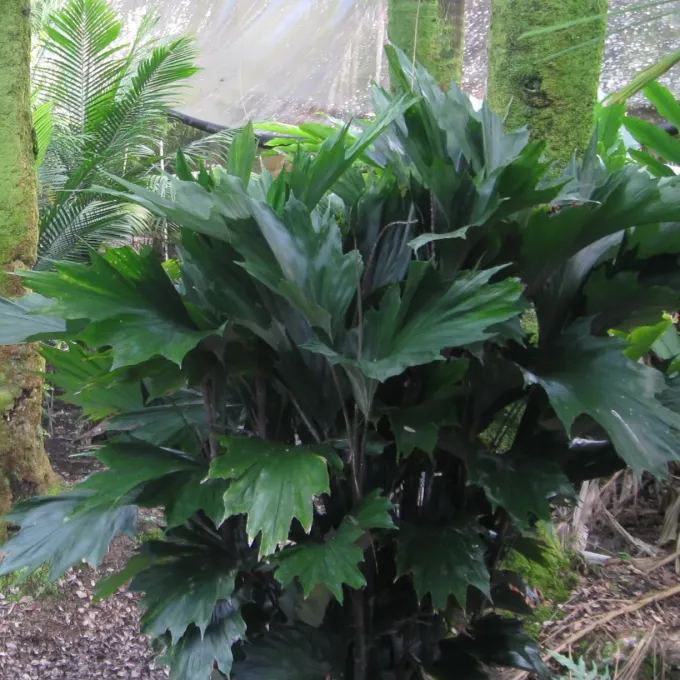
Arenga hookeriana is a distinct species belonging to the Arecaceae family. Originating from the tropical rainforests of Southeast Asia, this palm is known for its elegant foliage and unique structural characteristics that make it a notable botanical specimen.
The culture thrives in tropical environments where temperatures remain warm throughout the year. It demands high relative humidity to maintain the health and vigor of its leaves, making it suitable for greenhouses or controlled indoor environments where microclimate can be managed.
Soil requirements for this palm include a well-draining, nutrient-rich potting medium. The mix should be loose enough to facilitate root oxygenation while retaining sufficient moisture to prevent the palm from undergoing drought stress during the active growing phase.
Horticultural management focuses on providing bright, indirect light. Direct, intense sunlight can be detrimental to the leaves, leading to scorching. Regular fertilization using a balanced liquid fertilizer is recommended to support continuous, albeit slow, foliage growth.
In terms of usage, Arenga hookeriana serves primarily as an ornamental plant in tropical landscaping and indoor gardening. Its compact habit compared to larger palms makes it an excellent choice for specimen planting in conservatories and private botanical collections.
Main diseases and pests
Common pests affecting Arenga hookeriana include mealybugs, spider mites, and scale insects. These organisms often exploit low-humidity conditions, necessitating diligent monitoring and the application of appropriate horticultural oils or systemic insecticides.
Root pathogens represent the most significant threat, particularly in poorly drained soils. Fungal infections such as Fusarium or Phytophthora can cause rapid decline, emphasizing the need for strict adherence to watering schedules and ensuring adequate drainage.