
Arenga obtusifolia
Arenga obtusifolia
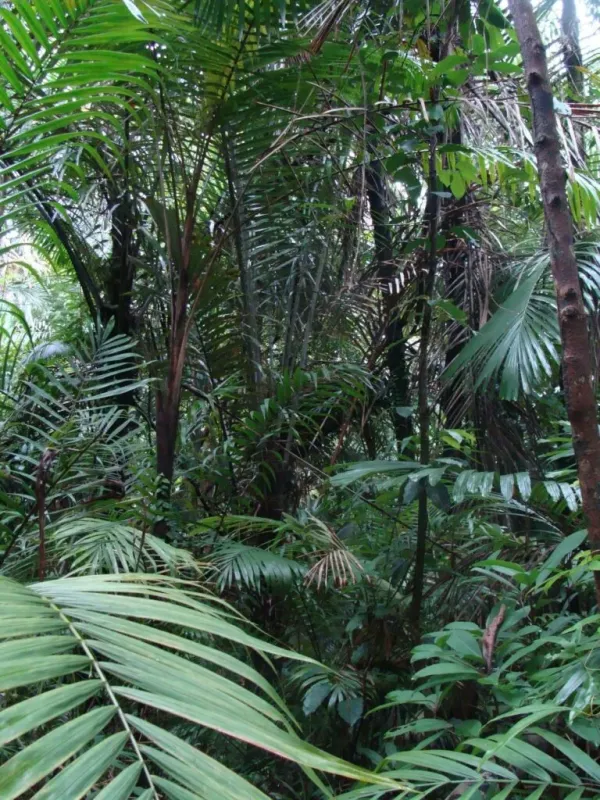
Description
Growing requirements
Arenga obtusifolia is a prominent species within the Arecaceae family, native to the tropical landscapes of Southeast Asia.
The plant thrives in regions characterized by consistently high humidity and warm temperatures, typically found in low-lying tropical forests.
Soil requirements for this palm include deep, nutrient-rich substrates that allow for effective root penetration and efficient water drainage to prevent rot.
While seedlings can tolerate partial shade, mature palms benefit significantly from substantial exposure to indirect, bright light to sustain their large fronds.
Proper cultivation involves understanding its cyclical growth nature, where the palm puts significant energy into foliage and fruit production before eventually declining.
Main diseases and pests
The primary threats to Arenga obtusifolia include various palm-boring insects, such as weevils, which target the apical meristem of the plant.
Fungal infections can become a critical issue in plantations where water management is inadequate, leading to root system decay and collapse.
Monitoring for insect activity is a mandatory aspect of palm management to prevent widespread infestation throughout the growing area.
Environmental stress, such as prolonged soil saturation, can weaken the palm's natural resistance, making it more susceptible to opportunistic pathogens.
Integrated pest management, including the use of biological controls, is highly recommended to maintain healthy palm populations in commercial settings.
Harvesting
The economic utility of Arenga obtusifolia is primarily centered on its harvesting for specialized palm fibers and localized food production.
The fibers, extracted from the leaf bases, are highly valued for their durability and superior resistance to water damage, making them ideal for rope production.
Inside the trunk, a starchy substance can be harvested, which acts as a traditional food source and is processed into flour for various culinary purposes.
Sustainable harvesting techniques are essential, as excessive extraction of the core tissues can compromise the tree's structural integrity.
Local communities often manage these palm stands as agroforestry crops, integrating them into traditional farming systems to ensure long-term sustainability.