
Arenga caudata
Arenga caudata
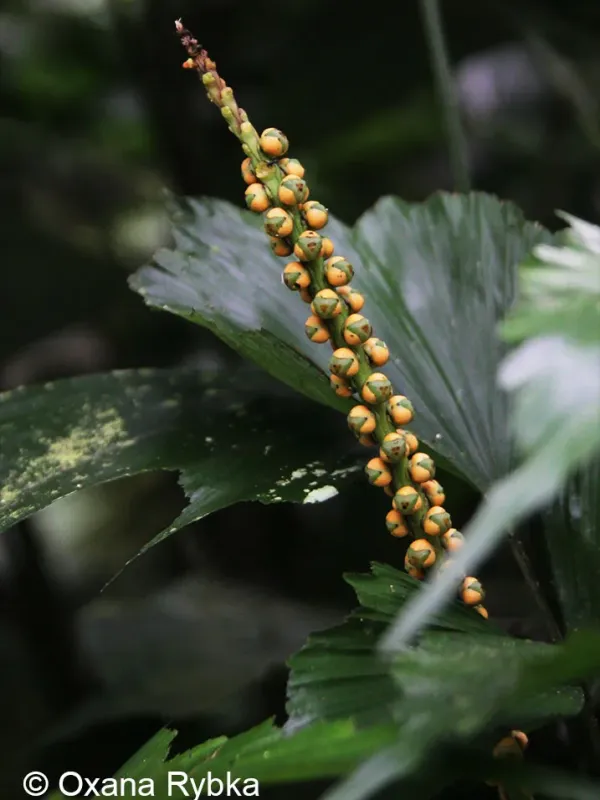
Description
Growing requirements
Arenga caudata is a slow-growing, multi-stemmed palm belonging to the Arecaceae family, naturally found in the tropical rainforests of Southeast Asia. It is highly regarded in the horticultural industry as a distinctively compact ornamental plant suitable for shaded tropical environments.
The culture thrives in temperatures between 20°C and 28°C and requires high humidity levels to mimic its natural understory habitat. It is strictly a tropical species and cannot tolerate frost or prolonged cold periods, making it exclusively suitable for greenhouse or indoor cultivation in cooler zones.
Cultivation requires a well-drained, nutrient-rich, and slightly acidic substrate to ensure robust development. Frequent watering is essential to keep the soil consistently moist, but water stagnation must be strictly avoided, as it leads to rapid root system decline and plant mortality.
Regarding light management, this species prefers indirect, filtered sunlight, as intense exposure can bleach or burn the pinnate leaves. In controlled environments, growers often use artificial shading to maintain the deep green color and structural integrity of the palm's foliage.
While primarily cultivated for ornamental purposes in botanical gardens and private collections, Arenga caudata is prized for its aesthetic value. Its growth habit allows it to fit into smaller spaces, distinguishing it from larger, more common palm species used in commercial landscaping.
Main diseases and pests
Common horticultural threats include sap-sucking insects like scale insects and mealybugs, which settle in the leaf axils. Early detection and treatment with insecticidal soaps are critical to prevent the weakening of the plant's overall structure.
Root rot, driven by Pythium or Phytophthora species, remains the most lethal threat in poorly drained containers. Maintaining a proper watering interval and using sterilized, porous potting media are the primary preventive measures against these fungal pathogens.