
Arenga engleri
Arenga engleri
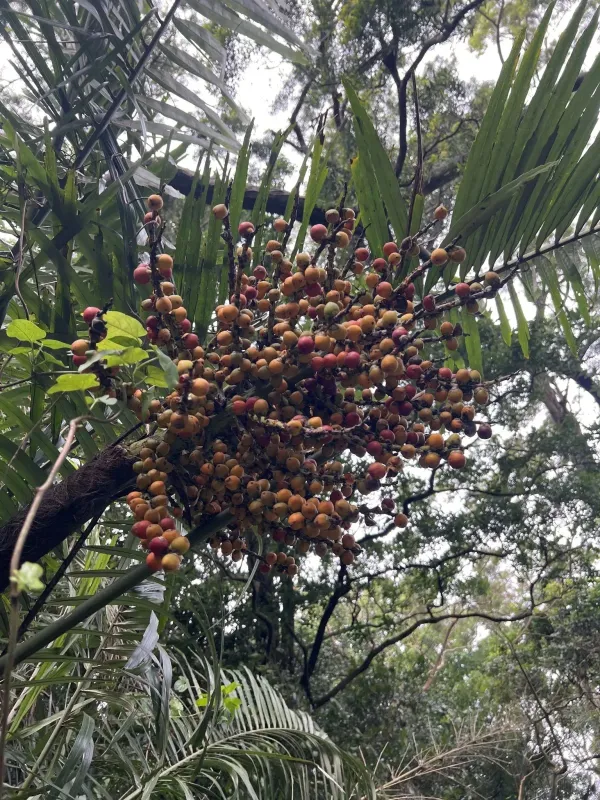
Description
Sowing dates
Propagation of Arenga engleri is most commonly achieved through seeds, which require prior scarification to speed up the germination process. Sowing is conducted in a loose, nutrient-rich substrate while maintaining soil temperatures between +25°C and +28°C.
Seedlings of this species emerge quite slowly, taking anywhere from three to six months depending on the freshness of the seeds. It is crucial to maintain consistent soil moisture without waterlogging to prevent embryo decay.
Once the first true leaves emerge, seedlings are pricked out into individual pots with a proper drainage layer. The optimal time for sowing in protected ground conditions is spring, which provides the plant with a long growing season.
In commercial plant production, vegetative propagation via clump division is possible if the palm produces enough basal offsets. This method allows for faster development of a mature specimen while preserving all the varietal traits of the mother plant.
Young plants require special attention to light conditions, avoiding direct sunlight during their first months. Gradual adaptation to the environment ensures high survival rates for the culture in the long term.
Growing requirements
Arenga engleri belongs to the Arecaceae family and is native to regions of Taiwan and the Ryukyu Islands. This perennial plant thrives in humid subtropical conditions with a mild climate, free from drastic temperature shifts.
The culture has high demands for soil quality, preferring fertile, well-drained substrates with a slightly acidic to neutral pH. It is important to avoid heavy clays that hinder the natural development of the root system.
The optimal temperature range for active growth is +18°C to +24°C. The plant can withstand short-term temperature drops, but prolonged freezing is fatal to the aerial parts of the palm.
Air humidity should be maintained at 60–70%; therefore, regular misting is mandatory in regions with dry climates. Low humidity leads to the browning of the tips of the pinnate leaves, resulting in a loss of aesthetic value.
For normal development, the plant requires bright, indirect light. In indoor conditions, east or west-facing windows protected from harsh midday sun are the most suitable environments.
Main diseases and pests
The primary pests for Arenga engleri in indoor settings are spider mites and scale insects. To control their population, it is necessary to regularly inspect the undersides of the foliage and conduct prophylactic treatments.
Overwatering is a critical factor that triggers root rot. Diseases such as Fusarium and Phytophthora can quickly destroy the plant, making a strict irrigation schedule and quality drainage essential.
Mealybugs often attack young shoots, gathering in leaf axils, which necessitates the use of systemic insecticides. Early detection significantly increases the chances of complete recovery for the plant.
Micronutrient deficiencies, particularly of iron and magnesium, manifest as leaf chlorosis. Regular application of balanced mineral fertilizers helps keep the palm's immune system at a high level.
Adhering to sanitary standards and timely removal of dead plant parts prevents the spread of fungal infections among plant groups. Prevention is always more effective than cure when cultivating exotic species.