
Arenga micrantha
Arenga micrantha
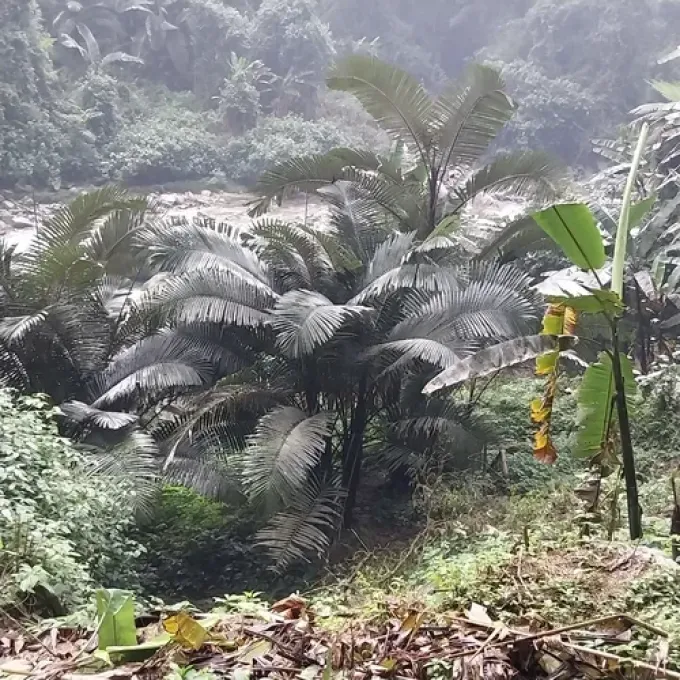
Description
Growing requirements
Arenga micrantha is a distinctive perennial plant belonging to the Arecaceae family. This species originates from the mountainous regions of the Eastern Himalayas, naturally occurring in dense, humid forests across India, Bhutan, and China, where it thrives at higher altitudes.
The cultivation requirements for this palm are strictly tied to a tropical environment. It demands high ambient humidity and moderate shade, as it is naturally adapted to the forest understory. Direct, intense sunlight can lead to leaf scorch, especially in juvenile specimens.
Soil composition must be rich in organic matter and possess excellent drainage properties. In an agricultural or nursery setting, the substrate should mimic forest floor conditions—well-aerated and slightly acidic—to ensure the roots do not suffer from hypoxic conditions caused by waterlogging.
Botanically, Arenga micrantha is characterized by its clustered or solitary stems and long, arching pinnate leaves. The plant exhibits slow growth patterns, necessitating patience from cultivators during the initial establishment phase of the palm plantation.
The agronomic management focuses on maintaining a climate-controlled environment, particularly in non-native regions. Protection from temperatures below 10°C is essential, as this species is not frost-tolerant and will suffer severe physiological stress if exposed to cold weather.
Main diseases and pests
The primary threats to the health of Arenga micrantha include fungal pathogens such as Pythium and Phytophthora. These are most active when the soil moisture is poorly managed or when ventilation is insufficient, leading to rapid decay of the root system.
Pest infestations, particularly by scale insects and spider mites, are common in greenhouse conditions. Managing these populations involves a combination of mechanical removal, biological control agents, and the judicious use of horticultural oils or specialized systemic insecticides.
Harvesting
Economically, the species is valued for the strong, durable fibers harvested from the base of the leaf sheaths. These fibers are traditionally used for manufacturing ropes, brushes, and durable handicrafts that require resistance to water and mechanical wear.
In addition to industrial fiber production, the palm serves ornamental purposes in landscape architecture. Its unique silhouette and texture make it a desirable addition to tropical botanic gardens, contributing significantly to the aesthetic and biological value of the planted area.