
Arenga westerhoutii
Arenga westerhoutii
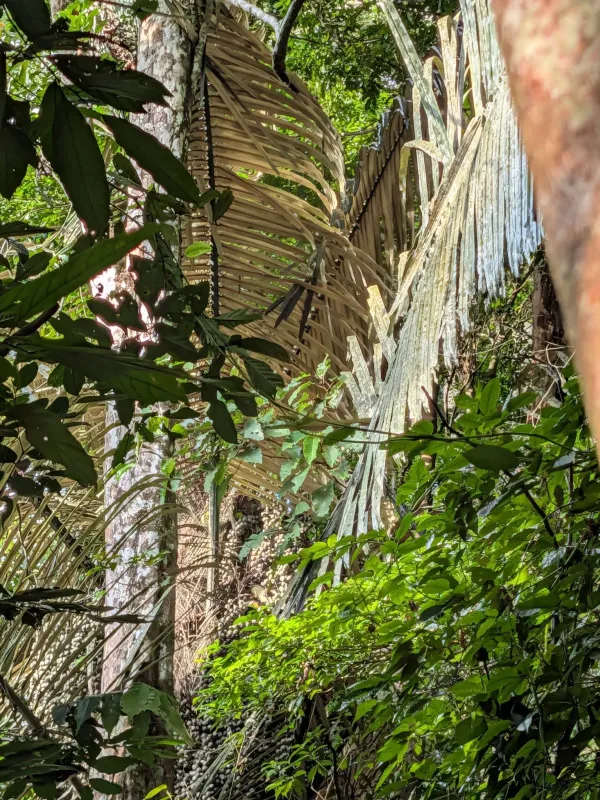
Description
Sowing dates
The propagation of Arenga westerhoutii in commercial agriculture is primarily achieved through seeds. Seeds should be sown in prepared nursery beds or containers with a light, well-draining substrate immediately after harvesting, as their germination rate declines rapidly over time.
To ensure optimal germination, soil temperatures must be maintained between 25 and 30 degrees Celsius. High atmospheric and substrate humidity is essential to prevent the embryo from drying out. The germination process can be prolonged, often taking several weeks to several months.
Once seedlings reach a height of 20–30 centimeters and have developed their first true leaves, they should be transferred to individual containers or a shaded nursery for further growth. Young plants are highly sensitive to direct sunlight, so they must be acclimated to open conditions gradually.
Transplanting to the permanent site should take place at the beginning of the rainy season, when the soil is maximally hydrated, which promotes better root system establishment. A distance of at least 5–7 meters between plants is required, taking into account the large dimensions of the mature palm.
It is critical to avoid burying the root collar during planting, as this can lead to rot in tropical climates. After planting, mulching the base of the plant with organic material helps retain moisture and protects the soil from erosion.
Growing requirements
Arenga westerhoutii belongs to the Arecaceae family and is a typical species of the Southeast Asian tropical rainforests. For successful cultivation, this crop requires a hot, humid climate with stable temperatures throughout the year.
The optimal growth environment includes an average annual temperature above 22 degrees Celsius and an absence of frost, which is fatal to the species. While the plant prefers well-lit locations, it can tolerate partial shading during its younger stages.
The palm is relatively undemanding regarding soil types, but it shows best growth performance in fertile, deep, and well-draining loams. Waterlogging in the root zone can be fatal, making land drainage essential in areas with heavy clay soils.
The crop has a high demand for organic matter; therefore, applying compost or well-rotted manure to the root zone significantly accelerates vegetative growth. Regular application of nitrogen-based fertilizers during the active growth phase is recommended to boost leaf biomass.
Protection from strong winds is crucial, as they can cause mechanical damage to the large, pinnate leaves. In regions with irregular rainfall, implementing a drip irrigation system is advisable to maintain consistent soil moisture levels during the dry season.
Yield
The economic value of Arenga westerhoutii lies primarily in the production of high-quality palm starch extracted from the stem pith. Maximum starch yield is typically achieved just before the plant begins its flowering cycle.
Agricultural use also includes harvesting the wood for local construction and extracting fibers from the leaf bases. These fibers are noted for their high strength and moisture resistance, making them ideal for the production of ropes, brushes, and various handicrafts.
The fruits, which grow in large clusters, can be consumed after proper thermal processing to neutralize oxalates, which can be irritating. The overall yield per plant in intensive farming systems is considered significant by agricultural experts.
Productivity is directly dependent on soil fertility and the level of agronomic management. When all recommendations are followed, the palm can provide a stable income as part of agroforestry systems, where it complements other food and technical crops.
Harvesting requires specific skills in handling large plant material, as mature Arenga westerhoutii specimens reach massive sizes. Logistical planning is essential, particularly regarding the weight of stems during industrial starch extraction.
Main diseases and pests
The main threats to this crop include various fungal diseases that attack the root system and stem base under conditions of excessive humidity. Root rot is most commonly caused by pathogens thriving in waterlogged soil environments.
Pests, such as palm weevils, can cause severe damage by boring into the trunk and weakening the plant's structural integrity. Regular inspections of the plantation and immediate isolation of infested specimens are critical to prevent widespread outbreaks.
Leaf-eating insects, including various caterpillars, can significantly reduce the plant's photosynthetic capacity. Using biological pest control methods is preferred over chemical applications, given the ecological sensitivity of tropical growing regions.
Poor agricultural practices, such as excessive soil compaction and nutrient deficiencies, make the palm more susceptible to secondary infections. Maintaining proper spacing and crop rotation protocols acts as a preventive measure against disease spread.
In cases of severe infestation, sanitary culling and proper disposal of diseased plant parts are recommended. Monitoring the phytosanitary status of the plantation should be conducted at least monthly to ensure early detection of any infection centers.
Harvesting
Harvesting Arenga westerhoutii for starch production involves felling the trunk once the plant has reached maturity but before it has exhausted its energy reserves on inflorescence formation. Determining the precise biological age is essential for optimal harvest.
The trunk is divided into sections from which the pith is extracted. The material is then crushed, and the starch is washed out with water, filtered, and dried to reach a marketable state. Fresh processing is necessary to ensure the highest quality of the final product.
Fibers obtained from the leaf bases can be harvested throughout the life of the plant. This process is less destructive and allows for intermittent raw material collection without the need to fell the entire tree.
Fruit harvesting occurs as they ripen, which is indicated by the color change of the berries from green to dark brown or black. Safety precautions are necessary during harvesting due to protective chemical compounds present in the fruit peel.
The harvested raw material must be stored in dry, well-ventilated areas to prevent mold growth. Starch processing should be conducted promptly after harvesting to maintain its physical and chemical integrity.