
Arenga undulatifolia
Arenga undulatifolia
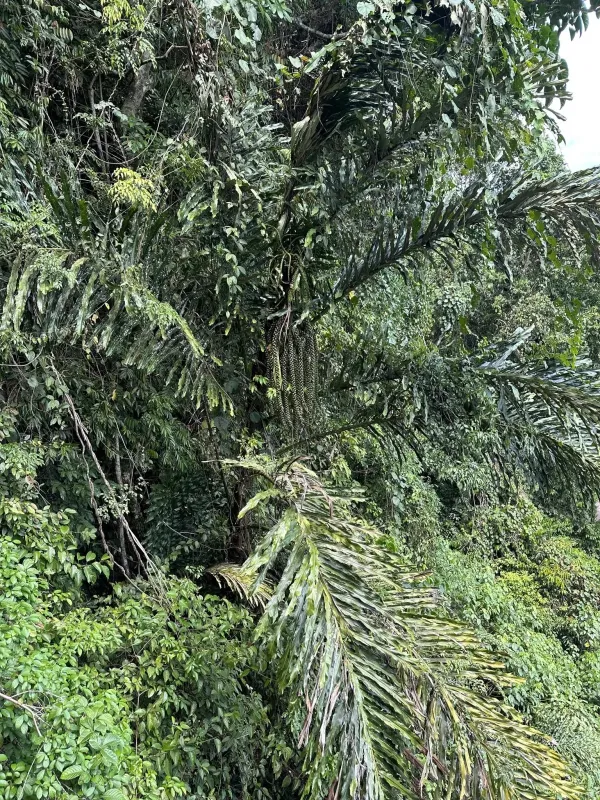
Description
Growing requirements
Arenga undulatifolia is a prominent member of the Arecaceae family, known for its distinctive clumping habit. Native to the rainforests of Borneo, it thrives in warm, humid tropical environments.
The cultivation of this palm requires high levels of humidity and protection from cold stress. It is strictly a tropical crop, as it cannot survive any temperatures below the frost threshold.
Soil requirements focus on high organic matter content and excellent drainage. While the palm enjoys soil moisture, stagnant water in the root zone can be lethal and lead to quick plant decay.
The plant demonstrates a versatile adaptation to light, ranging from deep shade in its juvenile stages to semi-shaded positions as it matures in the wild understory.
Good agricultural practices include regular mulching to retain soil moisture and prevent weeds, ensuring the palm maintains consistent growth in its native range.
Harvesting
The economic value of this species lies primarily in its fiber production. The black, durable fibers collected from the leaf bases are traditionally used for cordage and roofing materials.
Harvesting is typically done by hand, requiring specialized tools to carefully strip the fibers without damaging the central stem, which is vital for the continued life of the palm.
In addition to fibers, certain parts of the palm are occasionally used in local food preparation, though this is secondary to its primary role as a source of raw materials.
The collection of mature fruits is necessary to harvest viable seeds, ensuring the renewal of palm stands within cultivated areas or designated botanical projects.
Management of these palm stands involves periodic thinning and cleaning of dead fronds, which prevents pests and encourages the plant to allocate resources toward fiber production.