
Arenga porphyrocarpa
Arenga porphyrocarpa
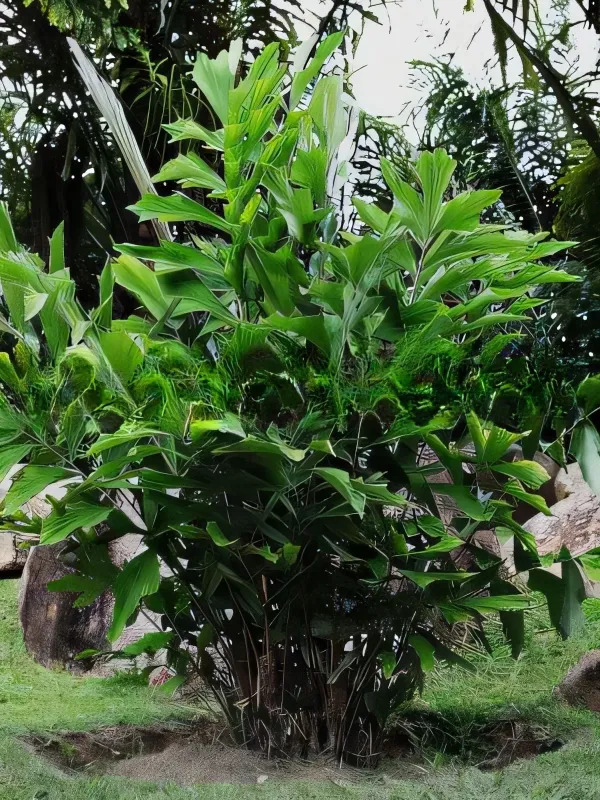
Description
Sowing dates
Arenga porphyrocarpa is propagated through seeds, which require specific environmental conditions to break dormancy and ensure germination.
Seeds should be cleaned of all fruit pulp immediately after harvest to prevent fungal infections that commonly attack the seeds during storage.
It is advised to soak the seeds in warm water for several days, changing the water daily, to facilitate moisture absorption and encourage faster sprouting.
The planting medium must be sterile and well-draining, such as a mix of coconut coir and perlite, to provide adequate aeration for the sensitive developing roots.
Maintaining high humidity around the seed trays using plastic covers is a standard procedure to simulate the natural tropical habitat of the palm.
Growing requirements
This palm species is native to the tropical forests of Indonesia, specifically Java, where it thrives in high-humidity and low-light environments.
The plant requires deep, fertile, and moist soil that remains consistently hydrated without becoming waterlogged, which can lead to root degradation.
Temperature management is critical; the species is strictly tropical and cannot withstand frost or cold temperatures, requiring shelter in temperate climates.
Given its natural habitat under a forest canopy, the plant prefers dappled light and may suffer from leaf scorching if exposed to intense, direct tropical sun.
Consistent irrigation and moderate application of organic fertilizers are recommended to maintain optimal growth rates and structural health.
Main diseases and pests
Root rot, primarily caused by Pythium or Phytophthora fungi, remains the most significant threat when drainage conditions are suboptimal.
Scale insects and mealybugs often congregate in the leaf axils, causing stunted growth and providing entry points for secondary plant diseases.
Spider mites can become a nuisance during drier periods, especially if the ambient humidity drops below recommended levels for tropical plants.
Regular sanitation, such as removing dead or dying fronds, is essential to reduce the habitat available for pests and the spread of fungal spores.
- Proactive use of neem oil or similar horticultural soaps can effectively manage minor infestations without harming the plant.