

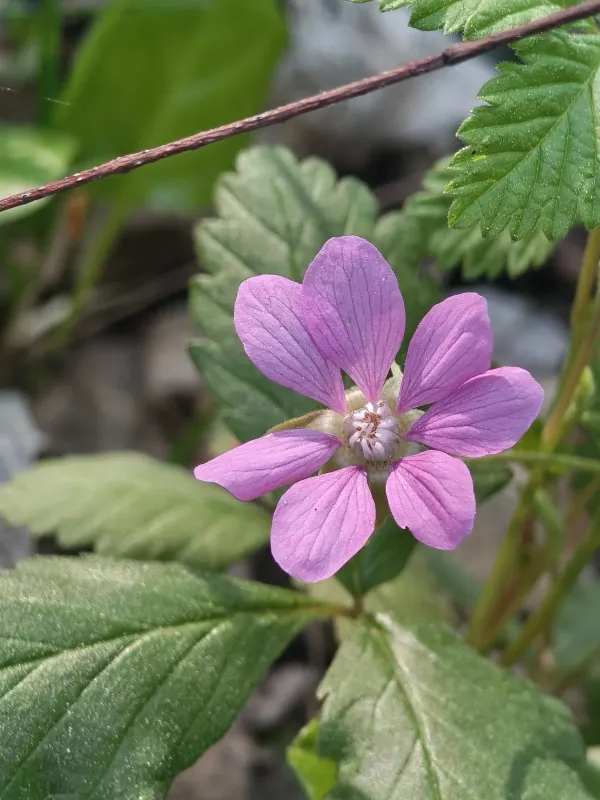
Description
Growing requirements
Arctic raspberry (Rubus arcticus L. subsp. arcticus) is a perennial herbaceous plant belonging to the Rosaceae family. Unlike other Rubus species, it does not form woody stems and spreads primarily through creeping rhizomes.
This crop is a classic representative of northern flora, thriving in moist and cool environments. Its native range extends across the boggy forests, tundras, and subarctic regions of Eurasia and North America.
The plant requires acidic or slightly acidic soils rich in organic matter. An optimal pH level ranges from 4.5 to 6.0, which is essential for efficient nutrient absorption by the shallow root system.
Arctic raspberry has strict moisture requirements but cannot tolerate waterlogged soil, which causes root rot. Selecting a site with good drainage and high ambient humidity is a key factor for successful cultivation.
For high yields, it is highly recommended to plant multiple cultivars together. Because the plant is cross-pollinated, genetic diversity within the plantation is essential to ensure fruit set.
Yield
Yields of Arctic raspberry vary significantly depending on light conditions and farming practices. Under optimal conditions, production can reach 300–500 grams per square meter of cultivated land.
The berries are prized for their unique aroma, which combines hints of pineapple and woodland strawberries, making them a premium ingredient for confectionery and high-quality liqueurs.
Economic use includes the production of jams, desserts, juices, and specialty beverages. Due to high levels of Vitamin C and antioxidants, they are considered a valuable functional food.
Regular application of organic fertilizers and mulching with acidic peat helps maintain high productivity over a lifespan of 5 to 7 years per plantation.
The limited commercial spread of the crop is largely due to its sensitivity to pollination conditions and the strict microclimatic requirements during the flowering stage.
Main diseases and pests
Primary phytosanitary risks are associated with fungal diseases, such as gray mold, which affects ripening fruits during periods of high humidity and poor ventilation.
Pests include raspberry beetles and weevils, which can cause significant damage to flower buds. Integrated pest management using biological controls or manual collection is typically employed.
Overcrowded plantings facilitate the rapid spread of infections. Prevention involves regular weeding and maintaining proper spacing between plants to ensure adequate air circulation.
Weeds are serious competitors for the shallow-rooted Arctic raspberry. Mulching with conifer needles is an effective technique for suppressing weed growth while maintaining soil acidity.
In greenhouse environments, producers must monitor for spider mites, which can multiply rapidly under elevated temperatures and dry air conditions.
Harvesting
The harvest season is generally extended, starting in late July and continuing through late August. Fruits ripen unevenly, necessitating selective harvesting every 2–3 days.
Ripe berries are delicate and bruise easily, so it is recommended to use shallow containers in small batches to preserve fruit integrity.
Harvesting should be performed in dry weather after the dew has evaporated; this improves storage quality and reduces the risk of mold development on the produce.
Post-harvest, berries should be chilled or processed immediately, as they do not handle transport well and have a very short shelf life at room temperature.
In professional settings, low beds with protective ground covers are used to prevent fruit contact with soil and moisture, significantly improving the quality and cleanliness of the harvest.
Content graph
Connections · Arctic raspberry
Most often together:
Marketplace