
Amsinckia spectabilis
Amsinckia spectabilis
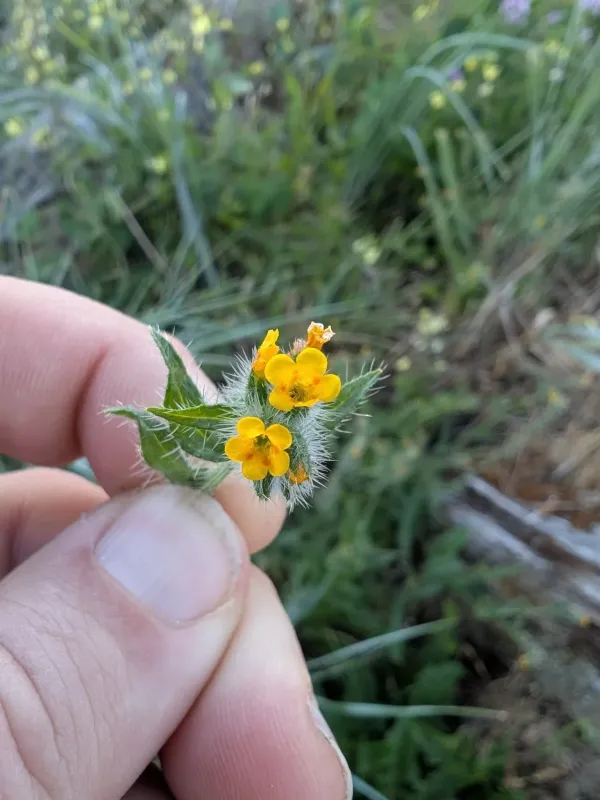
Description
Sowing dates
Amsinckia spectabilis is a non-cultivated species, generally regarded as a problematic weed rather than an agricultural crop.
The germination of seeds usually occurs during the cool and moist periods of autumn and late winter, aligning with the growth cycle of winter cereals.
The seeds demonstrate long-term viability in the soil, allowing the plant to persist for many years even if the surface population is controlled.
Agronomic strategies for weed management include mechanical tillage to disrupt germination cycles before the seedlings establish deep roots.
Timing cultivation efforts to coincide with the early seedling stage is crucial for reducing the bank of viable seeds in the field.
Growing requirements
Amsinckia spectabilis is a member of the Boraginaceae family, widely known for its presence in arid and semi-arid regions.
The plant thrives in well-drained, sandy, or disturbed soils and is highly adaptable to various environmental stresses.
It possesses significant drought tolerance, enabling it to outcompete crops in areas with limited rainfall or poor water management.
Optimal growth conditions include high solar exposure and minimal competition from dense crop canopies during the seedling stage.
Botanically, it is an annual herb characterized by its bristly hairs and characteristic coiled inflorescence, often referred to as a fiddleneck.
Main diseases and pests
The primary concern regarding this plant is its toxicity, as it contains pyrrolizidine alkaloids harmful to livestock.
Ingesting contaminated forage or grain can lead to severe liver damage in cattle, horses, and other domestic animals.
Amsinckia spectabilis acts as a vigorous competitor for nutrients and soil moisture, leading to substantial yield losses in grain production.
It serves as a potential reservoir for various plant viruses that can spread to healthy crops through insect vectors.
Due to its toxicity and invasive nature, this species requires aggressive integrated pest management protocols in pasture and cropland.
Harvesting
There is no harvest process for this species, as it is considered an unwanted weed in all agricultural contexts.
Control measures often involve the application of selective herbicides during the early stages of plant development to prevent seed set.
Mechanical control, such as mowing or disking, should be performed before the plants reach the flowering stage to stop further spread.
Rigorous seed cleaning processes are essential for commercial grain producers to ensure the harvested product is free from poisonous seeds.
Maintaining healthy, competitive crop stands is an effective cultural strategy to suppress the proliferation of the weed in the long term.