
Amsinckia barbata
Amsinckia barbata
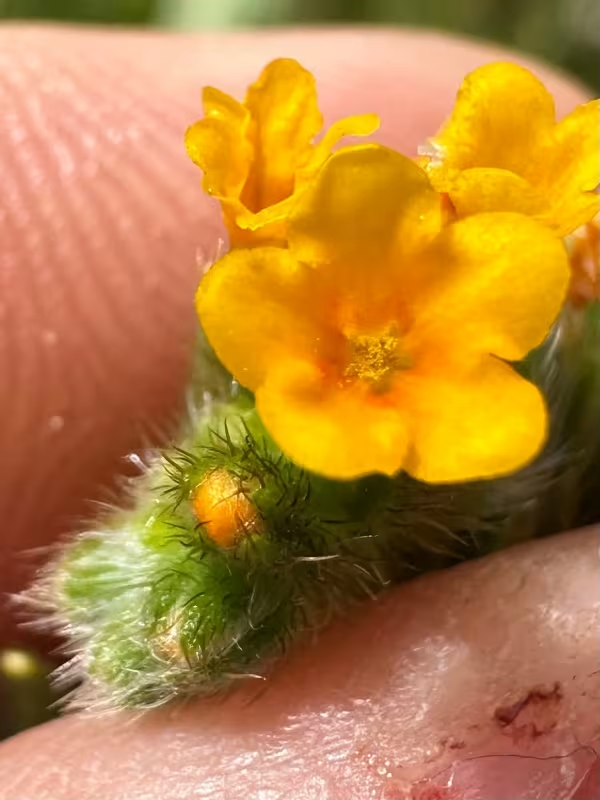
Description
Sowing dates
Amsinckia barbata is an annual weed that typically emerges in early spring. Its seeds are highly persistent, capable of remaining dormant in the soil seed bank for several years until favorable germination conditions arise.
The timing of emergence often coincides with the sowing of spring crops, creating immediate competition for resources. Early mechanical intervention is crucial to reduce the population pressure during the crop's establishment phase.
Agronomic practices should prioritize the stale seedbed technique to flush out and eliminate seedlings before the main crop is planted. This method significantly reduces the weed burden early in the season.
Monitoring for subsequent emergence waves is essential, as irregular precipitation patterns can lead to staggered germination. Timely post-emergence tillage or herbicide application is necessary.
The rapid life cycle allows the plant to produce seeds within a short timeframe, necessitating control measures before the plant enters the flowering and seed-set stage.
Growing requirements
Belonging to the Boraginaceae family, this species is known for its high adaptability and opportunistic growth patterns. It thrives in various disturbed habitats and cultivated fields.
Amsinckia barbata prefers open, sunny environments where it faces minimal competition for light. It is well-suited to regions with Mediterranean or temperate climates, showing significant drought tolerance.
The plant grows effectively in well-drained, neutral to alkaline soils. Its root architecture is designed for efficient water extraction, making it highly competitive in dryland agricultural systems.
Temperature range is broad, and the plant demonstrates resilience against spring frost, which allows it to get a head start on many sensitive crops.
There is no industrial or agricultural use for this plant. On the contrary, it is strictly regarded as an unwanted species that requires systematic eradication to maintain field productivity.
Main diseases and pests
The primary concern regarding Amsinckia barbata is its toxicity to livestock. The plant contains pyrrolizidine alkaloids, which are harmful if ingested by cattle or horses in significant quantities.
The stems and foliage are covered in bristly hairs that can cause physical irritation to human skin. Field workers should wear appropriate protective clothing to avoid contact dermatitis.
Competition for nitrogen and moisture often leads to reduced yields in infested cereal fields. The plant's aggressive growth habit can smother crops if left unchecked during early development.
Management is complicated by the weed's ability to develop resistance to certain classes of herbicides. A rotational strategy involving different modes of action is recommended.
Biological control agents are currently limited, meaning that physical and chemical management remain the standard practices for farmers aiming to contain the spread of this species.