
Amsinckia carinata
Amsinckia carinata
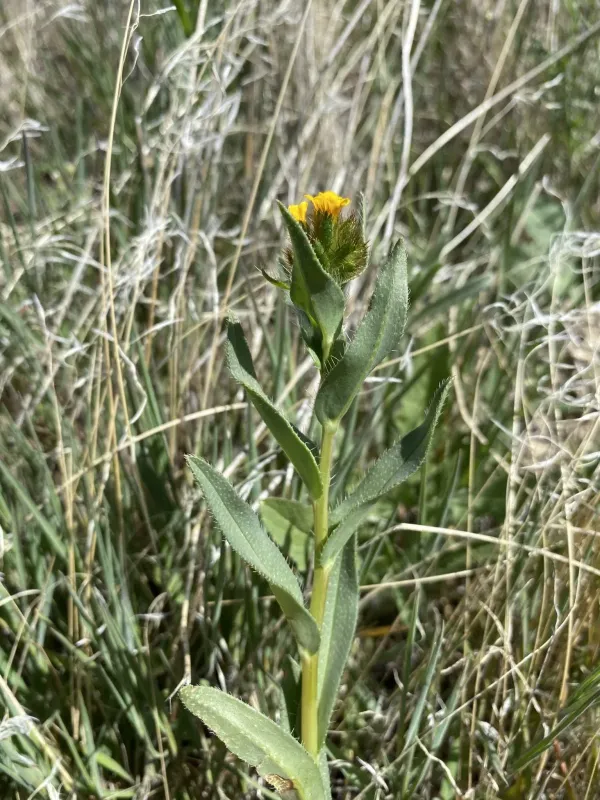
Description
Growing requirements
Amsinckia carinata, commonly known as a type of fiddleneck, belongs to the Boraginaceae family. In an agricultural context, it is typically managed as a problematic weed rather than a cultivated crop due to its invasive nature.
The species is native to arid regions of North America. It has successfully naturalized in various parts of the world with Mediterranean or temperate climates, often occupying disturbed soils, field edges, and overgrazed pastures.
The plant is biologically characterized by its tolerance to low moisture levels and high light intensity. It thrives best in well-drained, sandy, or coarse-textured soils where competing vegetation is sparse during the early stages of the growing season.
Botany-wise, the plant is covered in coarse, stiff hairs that act as a deterrent to most herbivores. It produces small, yellow flowers arranged in distinct, coiled spikes, which are a diagnostic feature of the Amsinckia genus.
Agronomic requirements for its management involve soil cultivation strategies that disrupt its taproot development. The plant prefers areas with minimal soil disturbance during the early spring, which allows its seeds to germinate and establish quickly.
Main diseases and pests
The primary agricultural threat posed by Amsinckia carinata is the production of pyrrolizidine alkaloids. These compounds are highly toxic to livestock, particularly horses and cattle, causing permanent liver damage if ingested.
As a weed, it is a fierce competitor for resources in grain fields. Its ability to extract water and nutrients efficiently from the soil leads to significant biomass reduction in crops, often resulting in lower yields and economic loss.
Plant diseases such as powdery mildew can utilize Amsinckia as an alternative host. This allows pathogens to survive during the off-season, posing a continuous threat to main crops grown in rotation nearby.
There are very few natural enemies or pests that significantly impact the population of this weed. Its physical defenses and chemical toxicity protect it from many insects, making biological control methods largely ineffective.
Control strategies should focus on integrated pest management (IPM). Early season chemical spraying and mechanical weeding before the seed set phase are essential to prevent the accumulation of a long-term seed bank in the soil.