
Running serviceberry
Amelanchier stolonifera
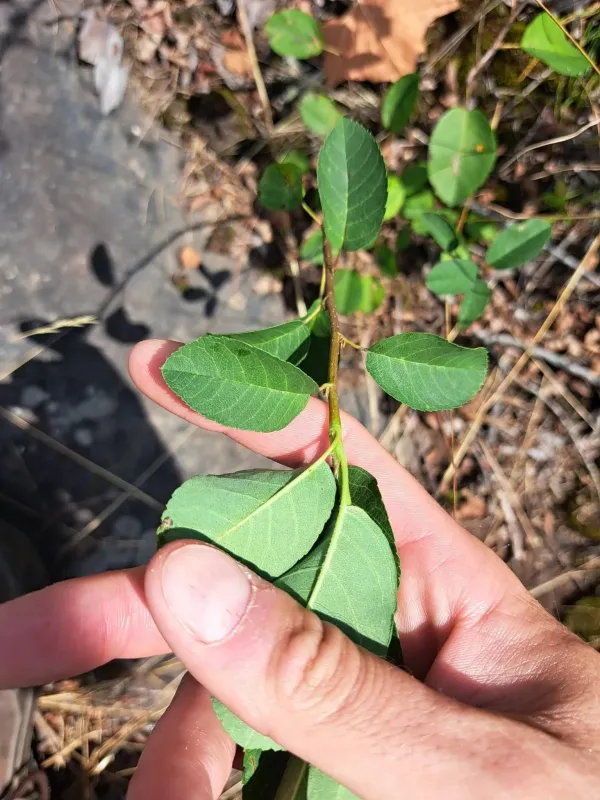
Description
Growing requirements
Running serviceberry (Amelanchier stolonifera) is a deciduous shrub in the Rosaceae family. It is distinct for its stoloniferous habit, meaning it spreads through underground runners, forming dense thickets if left unmanaged.
Native to North America, this species is highly valued for its extreme cold hardiness. It naturally occurs in diverse habitats, ranging from rocky slopes and sandy barrens to moist thickets, demonstrating exceptional environmental adaptability.
For cultivation, the species thrives in full sun to partial shade. While it tolerates a wide range of soil pH, it performs best in well-drained, acidic to neutral soils that provide consistent moisture during the growing season.
Agronomic management involves regular pruning to maintain plant vigor. Because of its spreading nature, growers should dedicate specific spacing and implement root control measures to keep the rows tidy and accessible for equipment.
The shrub is multifunctional, serving as an ornamental plant, a pollinator-friendly species, and a productive berry crop. Its fruit is rich in anthocyanins, dietary fiber, and essential vitamins, making it a popular choice for sustainable agriculture.
Main diseases and pests
Amelanchier stolonifera is generally robust, but it can be susceptible to fungal diseases like rust and grey mold, particularly in regions with high humidity. Proper site selection and pruning are essential to improve air circulation.
Insect pests such as leaf miners, aphids, and various sawfly species may affect foliage. Early detection through regular field scouting allows for timely intervention using organic-certified insecticides or biological controls.
The serviceberry seed wasp is a notable pest that affects fruit development. Integrated Pest Management (IPM) practices, including the removal of infested fruit and surrounding debris, are critical to reducing future pest populations.
Avian predation is the most significant challenge during the ripening phase. In commercial orchards, the use of overhead netting is the standard and most effective method to protect the crop until it is ready for picking.
Environmental stress, such as prolonged drought or extreme soil compaction, can weaken the plants, making them more prone to secondary infections. Maintaining soil health through mulching and balanced fertilization supports plant immunity.
Harvesting
Harvesting running serviceberry requires careful timing, as the fruits ripen unevenly. Ideally, berries should be picked when they turn deep purple or black, indicating their maximum sugar content and full flavor profile.
For fresh market sales, manual picking is preferred to ensure the berries remain intact and free of bruising. Fruits should be collected in shallow containers to prevent crushing under their own weight during transport.
Mechanical harvesting is common in large-scale operations. Specialized shakers or berry harvesters are used to collect the fruit efficiently, provided that the canopy is maintained in a narrow hedge format for easy access.
Post-harvest handling is critical due to the perishable nature of the fruit. Immediate cooling to near-freezing temperatures is recommended to slow down physiological processes and extend the shelf life of the berries.
While often consumed fresh, the fruit is highly versatile for food processing. It is frequently processed into jams, jellies, juices, and dried snacks, which retain its nutritional benefits throughout the off-season.