
Serviceberry
Amelanchier arborea
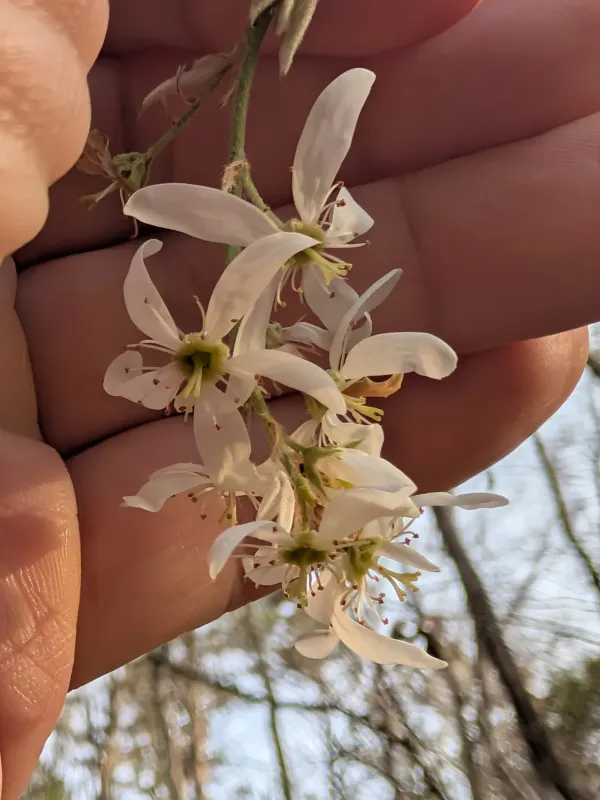
Description
Sowing dates
Serviceberry is typically propagated via seeds or vegetative methods such as hardwood cuttings or root suckers to maintain consistency.
Seeds require a period of cold stratification, lasting between 90 and 120 days, to break dormancy and ensure successful germination in spring.
Vegetative propagation is preferred for selected varieties, using greenwood cuttings in early summer to ensure faster establishment of the root system.
Young saplings should be planted in well-prepared soil with a generous amount of organic matter to support growth during the initial establishment phase.
Spacing is critical for the long-term health of the tree; it is recommended to plant specimens at least 10 to 12 feet apart to allow for proper crown development.
Growing requirements
Amelanchier arborea, commonly known as the serviceberry, belongs to the Rosaceae family and is native to diverse woodlands in North America.
This species is highly adaptable, exhibiting excellent cold hardiness and the ability to thrive in various soil types, ranging from sandy to clay-loam.
Serviceberry performs best in locations with full sun to partial shade, which encourages vigorous growth and higher fruit production throughout the season.
The plant requires moderate soil moisture and prefers sites that do not experience prolonged waterlogging, as proper drainage is essential for root health.
Annual maintenance involves light structural pruning to remove crossing branches and deadwood, ensuring that air circulation remains optimal within the canopy.
Yield
Fruit production usually begins when the tree is 3 to 4 years old, with yields increasing steadily as the tree matures over its lifetime.
The berries are rich in antioxidants, vitamins, and minerals, making them an excellent choice for both commercial production and home gardening.
Consistent mulching around the root zone helps retain soil moisture, which directly contributes to the overall size and sweetness of the harvest.
Mature trees can produce substantial quantities of fruit, which are highly valued for their delicate flavor in jams, jellies, and fresh desserts.
Regular irrigation during dry periods is highly beneficial for the plant, ensuring that the fruit develops fully without shriveling during maturation.
Main diseases and pests
Serviceberry is susceptible to several fungal diseases, including powdery mildew and rust, which often thrive in humid and poorly ventilated conditions.
Integrated pest management strategies, such as the use of horticultural oils and neem-based sprays, can effectively manage aphids and mite infestations.
Proper sanitation, including the removal of infected leaves and fallen fruit, is vital for reducing the risk of disease carry-over into the following year.
Regular monitoring of the canopy allows for the early detection of pests like leafrollers, enabling localized treatment rather than broad-spectrum applications.
Providing optimal growing conditions is the best form of defense, as healthy plants show higher natural resistance to common orchard pathogens.
Harvesting
The harvest period for serviceberries is often staggered, requiring multiple pickings as individual berries ripen at different times on the tree.
Ripe fruits are characterized by a deep purple to dark blue color and a soft, succulent texture that indicates peak sugar content.
It is important to harvest the berries carefully to prevent bruising, as the fruit has a very thin skin and a short shelf life once removed.
Harvested berries should be placed in shallow containers to ensure adequate airflow, preventing heat build-up and early fermentation of the produce.
For immediate consumption or short-term storage, the fruit should be kept in a cool, ventilated area away from direct sunlight.