
Basalt serviceberry
Amelanchier basalticola
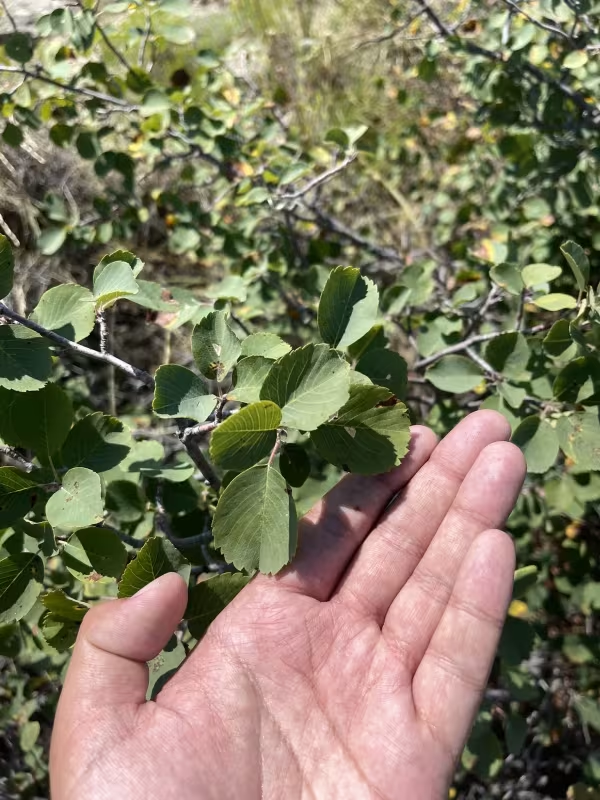
Description
Growing requirements
The Basalt serviceberry (Amelanchier basalticola) belongs to the Rosaceae family. It is a perennial shrub or a small tree that naturally occurs on rocky slopes, preferring basaltic substrates, which is reflected in its specific name.
This crop is characterized by high adaptability to various soil types, although it performs best in well-drained, slightly acidic, or neutral soils. The plant possesses excellent cold hardiness, making it a promising candidate for cultivation in regions with harsh climates.
For optimal development, the crop requires a sunny location. In shaded areas, the plant's decorative value and yield significantly decrease, and shoots tend to become elongated, negatively affecting the overall structure of the shrub.
Moisture availability should be moderate. Basalt serviceberry tolerates short periods of drought well due to its deep-reaching root system, but regular watering during the active growing season is necessary to ensure a stable yield of large berries.
A crucial requirement is good aeration of the root system. Avoid planting in areas with standing groundwater, as this inevitably leads to root rot and the death of the plant within a few seasons.
Yield
The fruits of the Basalt serviceberry are small, round berries, dark blue or deep purple in color with a characteristic waxy bloom. They possess a pleasant, sweet taste with a slight tartness and a high concentration of anthocyanins.
The yield of this species is considered stable when agronomic guidelines are followed. Fructification begins 3-4 years after planting, with the productivity of the shrub increasing significantly with age, reaching its peak between 7 and 10 years of life.
The berries are used both fresh and for processing. They make an excellent filling for pastries, jams, and preserves, and serve as valuable raw material for homemade wines and dried desserts that retain most of their nutritional value.
In commercial horticulture, this crop is valued for its resistance to transport and long shelf life when refrigerated. This allows the harvest to be sold on the fresh market without significant loss of quality.
Its хозяйственное use also extends to ornamental gardening. Due to its early flowering and spectacular autumn foliage colors, the serviceberry is often planted as a hedge or as a solitary decorative plant in backyard gardens.
Main diseases and pests
Among the primary pests, the apple moth and leafrollers should be noted, as they can damage the foliage. Regular inspection of the bushes at the beginning of the season helps to timely identify infection sites and perform localized treatments.
Diseases most often manifest as powdery mildew under conditions of excessive humidity and crowded plantings. To prevent the spread of fungal infections, it is necessary to ensure adequate air circulation within the canopy through sanitary pruning.
Birds pose a serious threat to the harvest during the ripening period. Birds readily consume the juicy berries, so it is recommended to use fine-mesh nets that cover the entire bush to protect the yield.
Root rots may occur if a site with heavy clay soils is chosen improperly. Prevention involves adding sand or gravel to the planting hole to create a reliable drainage layer.
Overall, the plant is distinguished by a strong immunity. With the right site selection and basic care, the need for chemical pesticides is virtually eliminated, allowing for the production of environmentally friendly crops.
Harvesting
The ripening of Basalt serviceberry berries usually occurs unevenly, which requires selective harvesting in several stages as the fruits reach their characteristic dark color.
The optimal time for harvesting is determined by the flavor and softness of the berries. It is important to wait until the fruits are fully plump, as underripe berries may have a grassy aftertaste and insufficient sugar content.
Harvesting should be performed in dry weather, during morning hours, after the dew has evaporated. This significantly increases the shelf life of fresh berries and reduces the risk of rotting processes during storage.
The berries are extremely sensitive to mechanical damage, so they should be carefully removed from the branches, attempting not to disturb the waxy bloom. Using wide containers with shallow sides helps avoid crushing the lower layers of the fruit.
After harvesting, it is advisable to cool the berries as quickly as possible. This halts metabolic processes inside the berry, preserving its juiciness, aroma, and commercial appearance for the next 5-7 days.