
Amelanchier amabilis
Amelanchier amabilis
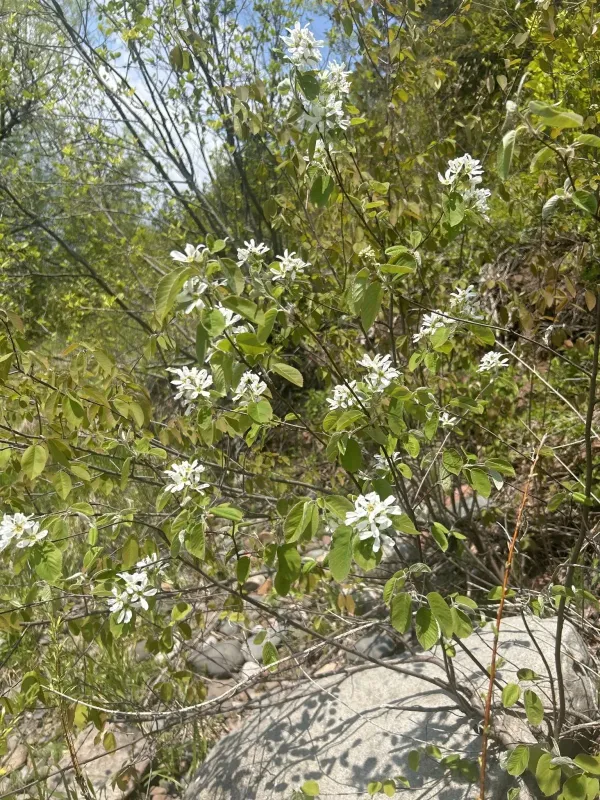
Description
Growing requirements
Amelanchier amabilis, belonging to the Rosaceae family, is a deciduous shrub prized for its multi-seasonal interest. It serves both as an ornamental feature and a productive fruit-bearing plant.
Native to North America, this species thrives in temperate climates. Its high adaptability to cold weather makes it a reliable choice for gardens in various regions, provided it has adequate sunlight.
The plant requires well-drained, fertile soil with a slightly acidic to neutral pH. While it is tolerant of different soil types, constant waterlogging should be avoided to maintain root health.
Botanically, it features delicate white flowers in early spring, followed by rounded green leaves that turn vibrant colors in autumn. The growth habit can be managed through pruning to suit specific design needs.
In addition to ornamental use, the berries are highly nutritious, containing vitamins and minerals. They are suitable for fresh consumption or culinary processing, making the shrub a valuable addition to any garden.
Main diseases and pests
Powdery mildew is a common fungal issue that can affect the foliage of Amelanchier amabilis, particularly in humid or stagnant air conditions.
Pests like aphids and leaf rollers may occasionally infest the plants, targeting the succulent new growth and reducing the overall vigor of the shrub.
Maintaining a clean garden environment and removing fallen debris helps in reducing the overwintering sites for potential pathogens and insect pests.
Pruning is essential not only for shaping but also for thinning the canopy, which improves airflow and reduces the risk of fungal outbreaks.
Integrating organic horticultural oils or approved fungicides at the first sign of symptoms can effectively control the spread of pests and diseases.