
Bartram's shadbush
Amelanchier bartramiana
Description
Sowing dates
Propagation of Amelanchier bartramiana is primarily achieved through seed sowing or vegetative methods like root cuttings and softwood cuttings. Seeds should be sown outdoors in the fall to undergo natural stratification, which is essential for uniform germination.
For best results, use a well-draining, slightly acidic soil mix when starting seeds in containers. Seedlings require consistent moisture and moderate light levels until they are established enough to be transplanted into the nursery or garden.
The optimal time for planting young shrubs is early spring before the buds break or in late autumn after leaf drop. Selecting a site with full sun to partial shade ensures that the plant develops a healthy structure and produces fruit efficiently.
Bartram's shadbush belongs to the Rosaceae family, sharing characteristics with other shrubs in the genus Amelanchier. It is native to the northeastern regions of North America, where it thrives in moist, cool forest environments.
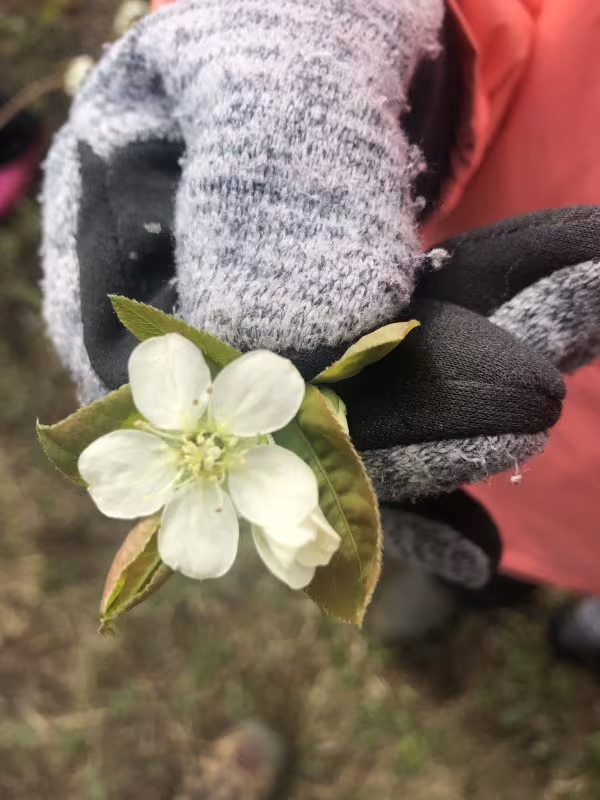
Botanically, it is a deciduous shrub that typically reaches heights of 2 to 3 meters. Its branches are slender, and the leaves exhibit fine serrated margins, while the white flowers appear in small, delicate clusters during the early growing season.
Growing requirements
The plant is highly frost-hardy, making it suitable for cultivation in colder climates where other fruit shrubs might struggle. Its ability to withstand low temperatures is one of its primary agronomic advantages.
It prefers moist, well-drained soils and does not tolerate long periods of waterlogging. Soil pH should ideally be neutral or slightly acidic to support nutrient uptake and overall plant vigor throughout the season.
Regular mulching is recommended to retain soil moisture during summer heatwaves and to suppress weed growth around the root zone. A balanced, low-nitrogen fertilizer applied in early spring helps promote steady growth and fruit production.
Pruning is essential for maintaining a clean shape and ensuring that light reaches the center of the bush. This practice also helps prevent common fungal issues by encouraging proper air circulation between the branches.
The shrub is highly valued not only for its fruit but also for its aesthetic appeal, especially in autumn when the foliage turns vibrant shades of orange and red.
Yield
The berries of Amelanchier bartramiana are small, blue-black fruits with a waxy bloom. They are known for their mild, sweet flavor and are an excellent source of antioxidants, vitamins, and minerals.
Yield capacity is influenced by the amount of light the plant receives and the availability of water during the fruit-set period. With proper care, the bush can produce a consistent yield that is suitable for fresh consumption or culinary processing.
The culinary uses for these berries are diverse, ranging from fresh snacks to jams, pies, and beverages. Their unique nutritional profile makes them a desirable crop for home orchards and niche fruit markets.
Harvesting usually occurs in mid-to-late summer, once the berries have reached their full color. Because the berries are delicate and have a short shelf life, they should be processed or consumed shortly after picking.
In addition to food production, the shrub is an excellent candidate for edible landscaping, providing both aesthetic beauty and a healthy harvest in a small garden space.
Main diseases and pests
Common issues such as powdery mildew or leaf spot can occur if the plant is grown in overly humid or stagnant air conditions. Improving plant spacing and air movement can significantly reduce the risk of these diseases.
Pests like aphids or leaf-rolling insects can occasionally attack young foliage. Integrated pest management, including the use of horticultural oils or manual removal, is usually sufficient to manage these populations without chemicals.
Birds are often attracted to the ripening fruit and can consume a significant portion of the harvest if not protected. Using netting is a standard and effective method to ensure the grower gets to enjoy the berries.
Soil-borne insects, such as white grubs, may occasionally affect the root system, so periodic soil monitoring is advisable. Maintaining healthy, fertile soil helps the plant recover quickly from any minor pest damage.
Overall, Bartram's shadbush is a resilient species that requires minimal intervention once established, provided it is planted in an appropriate location with adequate care and attention.