
Amelanchier spicata
Amelanchier spicata
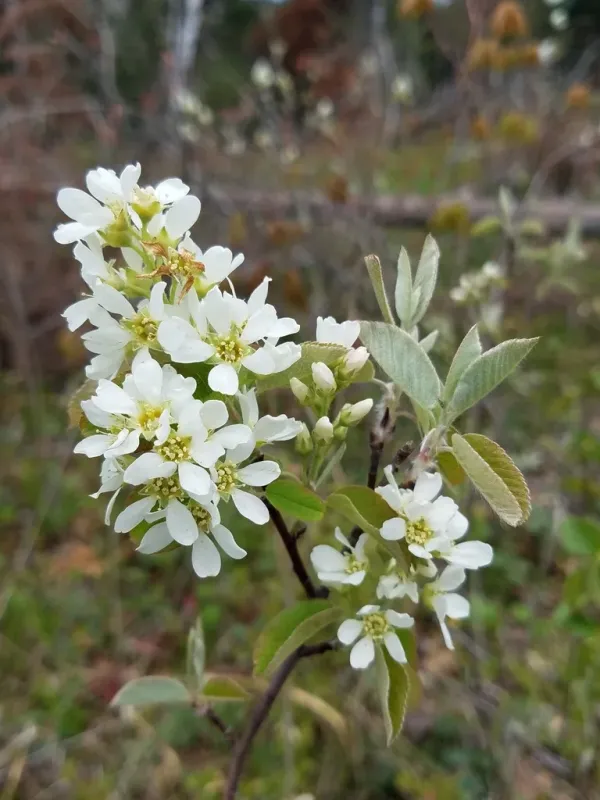
Description
Sowing dates
Amelanchier spicata, commonly known as the thicket shadbush, is a deciduous shrub belonging to the Rosaceae family. This species is highly valued in agriculture and landscaping for its exceptional winter hardiness and adaptability to diverse environmental conditions.
Propagation is primarily achieved through vegetative methods such as root suckers or softwood cuttings, which ensure the offspring retain the parent plant's characteristics. Planting is ideally performed in early spring or autumn during the dormancy period.
For seed propagation, cold stratification is essential for 3–4 months to break dormancy and ensure successful germination. Seeds are typically sown in prepared outdoor beds or containers during the autumn to mimic natural cycles.
The shrub features a robust root system, providing excellent stability and wind resistance. Over time, it develops a dense, spreading crown, which requires adequate spacing to ensure proper airflow and light penetration throughout the foliage.
Native to North America, Amelanchier spicata has naturalized in various regions globally. Its hardiness makes it a reliable choice for cold-climate orchards and ornamental gardens where other fruit crops might fail.
Growing requirements
The shrub thrives in fertile loamy or sandy soils with a neutral or slightly acidic pH. Proper drainage is critical; the plant is sensitive to waterlogged conditions, which can lead to root rot and diminished vigor.
Full sun is essential for optimal fruit production and overall plant health. While it can tolerate partial shade, exposure to direct sunlight results in higher sugar content in the berries and a more compact, productive plant structure.
Regular maintenance includes nitrogen-rich fertilization in the spring to promote vegetative growth, followed by potassium-phosphorus applications later in the season to harden the wood. Mulching helps retain soil moisture during peak summer months.
Amelanchier spicata exhibits remarkable tolerance to extreme cold, thriving in regions with harsh winters. It requires no special winter protection, making it an economically viable choice for northern fruit growers.
Pruning is a vital agrotechnical task used to maintain crown density and stimulate the production of fruit-bearing wood. Removing old, damaged, or crossing branches ensures better light penetration and increases the concentration of flowers.
Yield
The fruit of Amelanchier spicata consists of small, rounded, dark-purple to black berries covered with a waxy bloom, borne in clusters. The berries ripen uniformly in mid-summer, allowing for efficient harvesting.
Productivity typically begins 3–4 years after establishment, with mature bushes capable of yielding significant quantities of fruit annually. Maintaining adequate soil moisture during the berry-filling stage is crucial for fruit size and juice quality.
The berries are sweet, flavorful, and rich in vitamins and antioxidants, making them highly desirable for fresh consumption, jams, syrups, and desserts. They are also excellent for commercial freezing and long-term storage.
Rejuvenation pruning is recommended to sustain high yields over the plant's 20+ year lifespan. By systematically replacing older stems with younger shoots, growers can ensure consistent fruit production.
Proper harvest timing and post-harvest handling are essential to maintain the quality of the berries. They are highly perishable, and processing should occur as quickly as possible after collection to preserve their nutritional value.
Main diseases and pests
While generally hardy, Amelanchier spicata can be susceptible to powdery mildew in humid, stagnant conditions. Implementing good sanitation practices and ensuring adequate spacing helps to minimize the risk of infection.
Common insect pests include leafrollers and aphids, which can damage the foliage and stress the plant. Monitoring and early intervention with biological controls or targeted insecticides are effective management strategies.
Bird predation is a significant challenge during the ripening stage. Growers often utilize bird netting or other deterrent measures to protect the crop from significant losses as the berries change color.
Root-related issues, such as root rot, may arise in poorly drained soils. Ensuring that the planting site has an effective drainage system is the best preventative measure against these soil-borne threats.
An integrated approach to plant health, focusing on cultural practices such as debris removal in autumn, creates an environment less conducive to disease spread and maintains long-term crop vigor.
Harvesting
Harvesting is performed manually once the berries turn a deep, dark color and feel soft to the touch. It is crucial to pick the entire cluster to avoid damaging the delicate skin of individual fruits.
Using shallow containers for transport prevents the berries from being crushed under their own weight. Proper ventilation during storage helps to keep the berries fresh for a short period before processing.
For home or commercial freezing, berries should be cleaned, dried, and spread out on trays in a single layer to prevent clumping. This method preserves the integrity and quality of the frozen product.
Harvesting should ideally be done in the cool morning hours once dew has evaporated. This reduces the field heat of the berries, which improves their overall storage stability.
Given the perishability of the crop, direct marketing or immediate processing into value-added products is recommended to maximize economic returns for small-scale agricultural operations.