
Roundleaf serviceberry
Amelanchier sanguinea
Description
Growing requirements
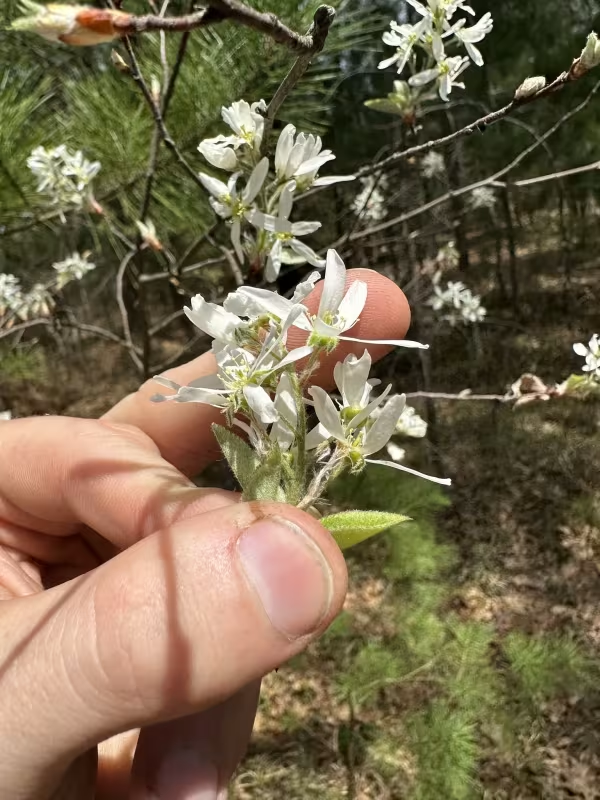
The roundleaf serviceberry (Amelanchier sanguinea) is a deciduous shrub belonging to the Rosaceae family. It is native to the northeastern regions of North America, where it thrives in rocky thickets, forest edges, and open slopes, showcasing impressive environmental adaptability.
This species is highly prized for its exceptional cold hardiness and robustness in diverse climate zones. It grows best in full sun or partial shade, which directly influences its ability to produce abundant blossoms and high-quality fruit.
Regarding soil requirements, Amelanchier sanguinea prefers well-drained, fertile, loamy, or sandy soils. It is relatively tolerant of various soil pH levels, although it performs best in neutral to slightly acidic conditions. It does not thrive in waterlogged or heavy clay sites.
Cultivation practices focus on maintaining consistent soil moisture, especially during the establishment phase and peak summer heat. Mulching around the base of the shrub is highly recommended to protect the root zone from temperature fluctuations and to suppress weed competition.
Beyond its culinary value, the plant is a popular ornamental choice. It provides seasonal interest through its profuse white spring flowers and vibrant red-to-orange foliage during the autumn months, making it a versatile addition to any landscape.
Yield
Yield capacity for the roundleaf serviceberry is linked to proper pruning and plant maturity. Typically, a shrub begins to produce significant fruit yields starting from the third or fourth year after planting, continuing to increase as the plant reaches full vigor.
The fruit consists of small, juicy, purplish-black berries with a sweet and delicate flavor profile. These berries are excellent for fresh consumption, baking, or processing into preserves, reflecting the high nutritional value inherent in the species.
Strategic pruning is essential for maximizing production. By removing dead or crossing branches, gardeners improve air circulation and sunlight penetration, which stimulates the growth of productive spurs for the following season.
Harvesting usually occurs mid-summer. Because the berries ripen progressively, they often require multiple passes to ensure that only the most mature fruit is picked at its peak sweetness and flavor quality.
Longevity is a hallmark of this culture. A well-managed serviceberry shrub can remain productive for several decades, provided that it receives regular care, such as intermittent thinning and soil nutrient replenishment, ensuring consistent harvests year after year.
Main diseases and pests
Like many species in the Rosaceae family, the roundleaf serviceberry can be susceptible to powdery mildew. This fungal disease is often exacerbated by high humidity and stagnant air, making crown management and spacing critical for long-term health.
Aphids are the most common insect pests associated with this shrub, particularly affecting new growth in the early spring. Monitoring for signs of infestation and using soft-soap washes or other non-toxic interventions is generally sufficient to manage their populations.
Leaf-feeding insects may occasionally cause cosmetic or localized damage. While rarely fatal to a healthy, established shrub, these pests should be monitored if significant defoliation occurs, ensuring the plant's photosynthetic capacity remains intact.
Bird predation remains the primary threat to fruit yields. Due to the high sugar content of the berries, birds often consume them just before harvest; installing bird netting is the most effective way to secure a full harvest for the grower.
Integrated pest management strategies, such as maintaining good garden hygiene and removing debris beneath the shrub in autumn, significantly reduce the incidence of fungal spores overwintering and decrease the overall need for chemical intervention.