
Pale serviceberry
Amelanchier pallida
Description
Growing requirements
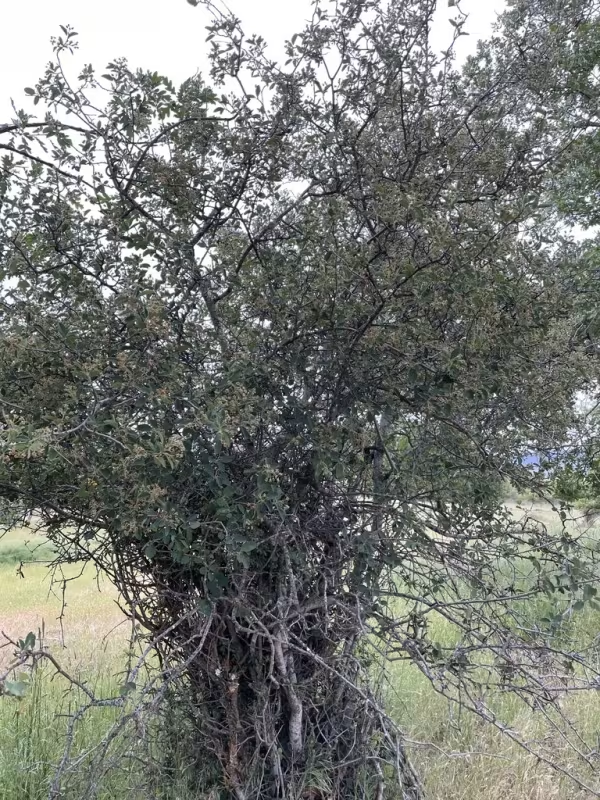
Pale serviceberry (Amelanchier pallida) is a perennial deciduous shrub belonging to the Rosaceae family. Native to the mountainous regions of Western North America, it is highly valued for its resilience and the production of nutrient-dense fruits.
The plant thrives in well-drained, fertile soils ranging from sandy loam to clay-based substrates. While it displays excellent tolerance for various soil pH levels, maintaining moderate moisture levels is crucial during the early stages of shrub establishment.
Regarding climate, this species is noted for its exceptional winter hardiness. It is well-suited for temperate climates, requiring a period of winter dormancy to initiate healthy growth and flowering during the subsequent spring season.
Cultivation practices involve annual pruning to remove dead or diseased wood and to encourage canopy airflow, which is essential for fruit development. Fertilization should be balanced, focusing on nitrogen during early growth and potassium for fruit quality.
Economic use of this culture includes commercial berry production, often utilized in jams, juices, and fresh market sales. Its aesthetic appeal also makes it an excellent choice for windbreaks, wildlife hedging, and ornamental garden planting.
Main diseases and pests
Amelanchier pallida is susceptible to several fungal diseases, with leaf blight and powdery mildew being the most significant challenges in commercial plantations. These diseases can quickly reduce plant vigor if not properly managed.
Common insect pests include aphids and various species of lepidopteran larvae that target fresh foliage. Integrating monitoring systems allows growers to apply targeted treatments, preserving the beneficial insect population in the orchard.
Root rot caused by poor soil drainage is a common physiological threat that can lead to rapid shrub decline. Ensuring proper site selection and soil structure is the primary defense against such moisture-related issues.
Sanitation practices, such as clearing fallen leaves and debris, are fundamental in reducing the overwintering capacity of pests and fungal pathogens. This basic agronomic step effectively lowers the initial infection pressure in the following year.
Strategic use of organic mulching around the base of the shrubs helps regulate soil temperature and moisture, contributing to overall plant stress reduction. Healthy, well-nourished plants exhibit much higher natural resistance to disease pressure.