
Coastal serviceberry
Amelanchier obovalis
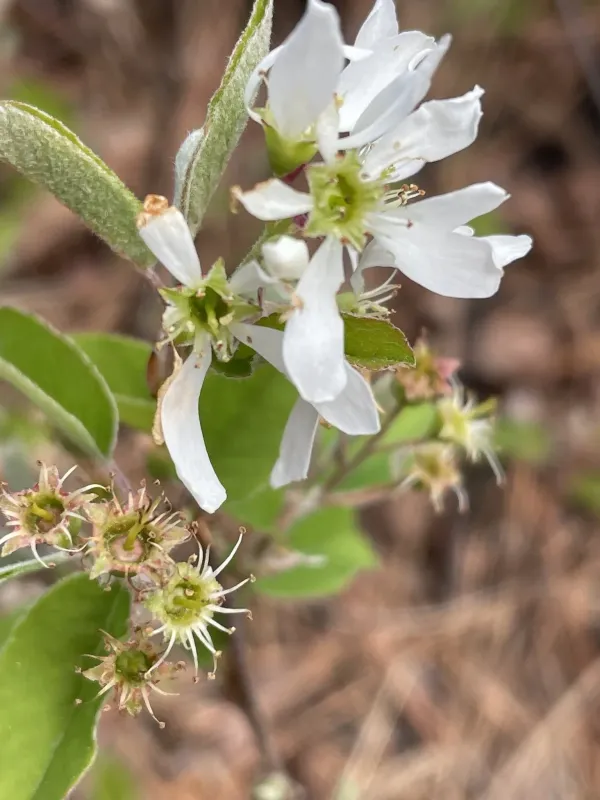
Description
Sowing dates
Amelanchier obovalis is typically propagated through seeds, which require a cold stratification process to overcome dormancy before they can germinate successfully.
For best results, seeds should be sown in the autumn directly into a prepared seedbed, allowing the winter cold to naturally stratify the embryos for spring germination.
If indoor propagation is preferred, seeds must be mixed with damp vermiculite or peat and stored at temperatures around 3-5 degrees Celsius for at least three months.
Vegetative propagation is also possible using root suckers that naturally emerge from the base of the plant, which should be carefully separated during the dormant season.
Softwood cuttings can be taken in late spring or early summer and rooted under mist conditions, which helps in maintaining the genetic traits of a specific selection.
Growing requirements
As a member of the Rosaceae family, the coastal serviceberry is a deciduous shrub that is highly valued for its adaptability and low-maintenance nature.
It thrives in full sun but possesses the ability to tolerate light shade, making it a versatile choice for mixed borders, shrub beds, and urban landscape design.
The shrub is adaptable to various soil types, although it performs best in well-drained, acidic to neutral soils that retain a moderate amount of moisture.
It is remarkably hardy and can withstand harsh winter conditions, requiring no special protection even in regions experiencing significant frost and snowfall.
While mature plants are drought-tolerant, providing supplemental irrigation during the peak growing season will significantly improve vegetative growth and fruit set.
Yield
The fruit of Amelanchier obovalis is highly sought after for its sweet, blueberry-like flavor and its high nutritional profile, rich in antioxidants and vitamins.
On average, a healthy, mature bush can produce a substantial yield, though the exact quantity depends on environmental conditions and the intensity of care provided.
The fruits are versatile in culinary applications, being used fresh, baked into pies, or processed into jams, jellies, and flavorful dessert wines.
Beyond fruit production, the species provides year-round aesthetic interest with its early spring blossoms and spectacular orange-red autumn foliage.
Managing the plant as a productive element in an edible landscape allows growers to combine food production with environmental enhancement and ornamental beauty.
Main diseases and pests
Coastal serviceberry generally maintains excellent health, but it may occasionally be susceptible to fungal issues such as rust or powdery mildew in humid environments.
Insect pests like aphids can sometimes infest the succulent new growth during the spring, which may necessitate light intervention to protect plant vigor.
Leaf miners and certain types of caterpillars can occasionally feed on the foliage, though they rarely cause enough damage to jeopardize the survival of the shrub.
Fire blight, a bacterial condition affecting many Rosaceae species, is a potential threat; therefore, prompt removal of infected branches is a critical control measure.
Proper spacing during planting ensures good airflow, which is a fundamental preventive practice to reduce the incidence of moisture-related fungal diseases.
Harvesting
Harvesting should be conducted when the berries reach their full, dark, purplish-black color and yield slightly to gentle pressure from the fingers.
Because the berries do not ripen all at once, multiple pickings over several days or even weeks are often required to collect the full crop efficiently.
The fruits are relatively delicate and have a short shelf life, so they should be handled gently and kept in shallow, well-ventilated containers after being picked.
Immediate cooling or processing is recommended, as the berries can quickly lose their quality and freshness if left at ambient temperatures for too long.
For long-term storage, freezing is the most recommended method, as it preserves both the flavor and the beneficial phytochemical content for later use in cooking.