
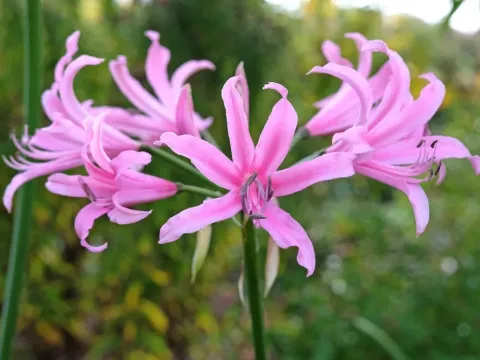
Amaryllis x Nerine
Amaryllis x Nerine
Planting of Amaryllis x Nerine bulbs is typically performed in early spring once the risk of frost has completely passed. The soil temperature should be maintained between 18 and 22 degrees Celsius to facilitate rapid root development.
What the section contains

Amaryllis x Nerine
For greenhouse cultivation, planting can be initiated in late winter. It is crucial to plant the bulb so that the neck remains above the soil surface, as burying it too deeply increases the risk of rot and poor plant performance.
In regions with cooler climates, it is recommended to grow these plants in pots, which can be moved outdoors during the summer months. This method ensures adequate light exposure and better control over the growing medium.
A spacing of approximately 20 to 25 centimeters between bulbs is advised to allow for proper foliage development and airflow. Adequate space prevents overcrowding and reduces the competition for water and nutrients.
Crop rotation should be practiced if growing in open ground, as Amaryllidaceae crops can accumulate specific soil-borne pathogens. Changing the planting location every season helps maintain high plant vigor.
Amaryllis x Nerine is an intergeneric hybrid within the Amaryllidaceae family. This plant effectively merges the robust aesthetic traits of the Amaryllis with the delicate, refined flower structures characteristic of Nerine.
The culture thrives in full sun, provided it is sheltered from strong winds that could damage the tall flower stalks. High levels of solar radiation are essential for the synthesis of pigments in the petals and healthy leaf development.
Soil requirements focus on excellent drainage and a loose structure. Incorporating organic matter along with perlite or coarse sand helps to prevent water retention, which is the most frequent cause of root damage in this genus.
Watering management is vital: keep the medium moist during the active growing season, but allow for a distinct dry rest period. This cyclical approach is necessary to trigger flowering and maintain the bulb's health throughout the year.
Temperatures during the growth phase should ideally range between 20 and 25 degrees Celsius. Avoiding extremes is important, as stress from temperature fluctuations can inhibit flower initiation and overall plant growth.
Stagonospora curtisi, commonly known as red blotch, is the primary disease affecting this hybrid. It causes red spots and tissue decay on the bulbs and foliage; effective control includes copper-based fungicides and proper storage conditions.
Bulb mites and thrips are the most common pests that can compromise the health of the bulbous root system. Periodic scouting and the use of appropriate systemic insecticides are required to prevent widespread infestation.
Root rot caused by fungal pathogens thrives in waterlogged soil. To minimize this risk, ensure the soil mix is well-aerated and avoid overhead irrigation that leaves water in the crown of the plant.
Nematodes can infest the basal plate of the bulb, causing stunted growth and leaf chlorosis. Prevention focuses on the use of sterilized soil and maintaining strict sanitation protocols for all gardening tools.
Poor ventilation in greenhouse conditions may lead to powdery mildew outbreaks. Maintaining low humidity and ensuring adequate space between plants are effective measures to keep the foliage clean and healthy.