
Amaryllis belladonna x Nerine sarniensis
Amaryllis belladonna x Nerine sarniensis
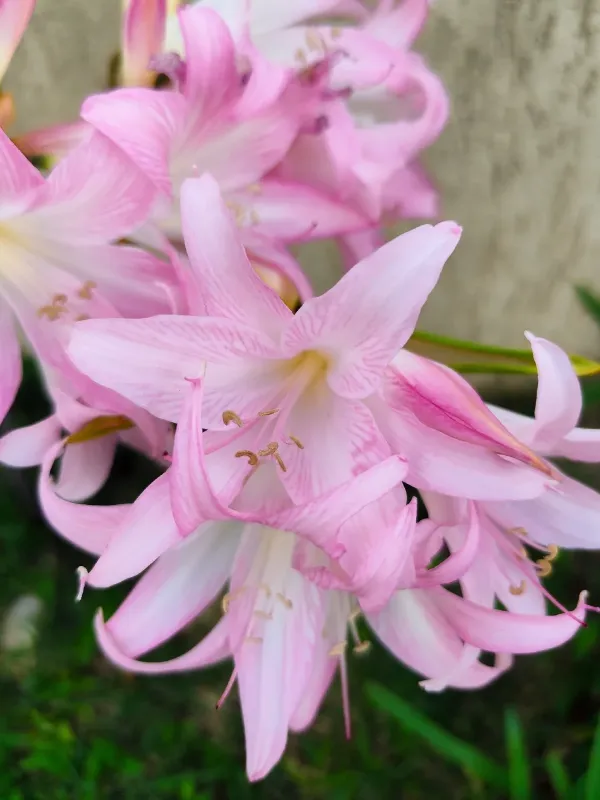
Description
Growing requirements
This hybrid is a result of cross-breeding between Amaryllis and Nerine, belonging to the Amaryllidaceae family. It is a highly valued ornamental plant characterized by tall, elegant inflorescences and specific seasonal growth patterns.
The crop thrives in well-drained, nutrient-rich soils with excellent aeration. Poor drainage is the most significant limiting factor for successful cultivation, as the bulbous root system is highly susceptible to rot under saturated conditions.
It requires a distinct annual cycle with high light intensity during the active growth phase. In temperate climates, container gardening is preferred to manage environmental conditions and facilitate the necessary winter dormancy period.
Temperature management is critical; during the active season, it requires warmth (20-25°C), while the resting phase requires significantly cooler temperatures to trigger the development of future flower stalks.
Regular but controlled irrigation is essential. The soil should be kept moderately moist during the vegetative phase and allowed to dry out completely as the leaves begin to yellow, signaling the transition to the dormant phase.
Main diseases and pests
Stagonospora curtisii, commonly known as red blotch, is the primary fungal threat. It manifests as red spots on foliage and bulbs, often resulting from excess moisture or poor ventilation in the growing environment.
Insect pests such as bulb mites and mealybugs can cause significant damage. These pests reside between the bulb scales or at the base of leaves, weakening the plant and potentially vectoring secondary bacterial infections.
Integrated pest management (IPM) practices, including the use of systemic insecticides and proper quarantine of new bulbs, are recommended to maintain plant health. Early detection is vital for effective control.
Over-fertilization with nitrogen can lead to soft tissue growth, making the plant more attractive and susceptible to aphids and fungal pathogens. A balanced fertilizer with a higher phosphorus content is preferred to support bulb health.
Maintaining a clean growing environment by removing dead foliage and debris is an essential prophylactic measure. Regular monitoring of the bulb base during the dormant period ensures that any rot or pest infestation is addressed promptly.