
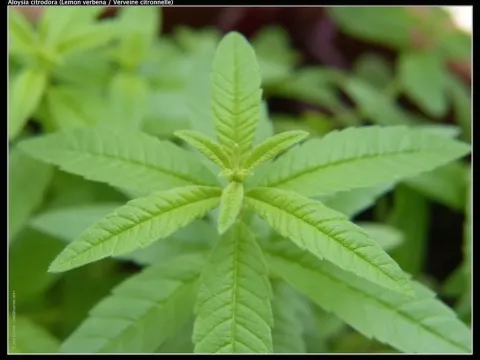
Aloysia
Aloysia
Aloysia is a genus of flowering plants belonging to the Verbenaceae family. The most economically significant species is Aloysia citrodora, commonly known as lemon verbena, valued for its intense citrus aroma.
What the section contains


Aloysia
The plant originates from South America, particularly Argentina, Chile, and Peru. It thrives in subtropical climates, where it can grow into a woody shrub if protected from harsh winter conditions.
Aloysia requires full sunlight to produce high levels of essential oils. In cooler climates, it must be grown in pots and moved indoors during winter to prevent frost damage to the root system.
The soil should be light, well-draining, and rich in organic matter. Proper drainage is essential, as the plant is highly susceptible to root rot if it remains in waterlogged conditions for extended periods.
It is widely utilized in the production of herbal teas, culinary flavorings, and the fragrance industry due to its high concentration of citral and other aromatic compounds.
Spider mites are the most common pest, especially in indoor environments where the air is dry, leading to yellowing and shedding of leaves.
Whiteflies can also cause significant damage by feeding on sap and excreting honeydew, which fosters the growth of sooty mold on the foliage surface.
Fungal issues, including powdery mildew, may occur if the planting density is too high or if the plants are kept in an area with poor air circulation.
Root rot remains the most serious threat, usually caused by overwatering or compacted soil that does not allow enough oxygen to reach the roots.
Effective management includes maintaining proper spacing, monitoring leaf undersides for early pest detection, and avoiding excessive moisture in the root zone.